Managing slopes in Pacific Northwest landscapes can be genuinely challenging, but it’s absolutely solvable with the right approach. After 20 years of tackling some of Tacoma’s most difficult hillside properties, I can tell you that most slopes fail for two reasons: wrong plants and ignored drainage. Get those two things right, and your slope stops being a liability and starts becoming one of the most striking parts of your outdoor space in Pacific Northwest landscapes.
Chris’ Quick Takeaways
- Tacoma’s clay soils and 38 inches of annual rain make slope erosion a when, not an if
- Measure your slope grade first. Everything else, plants, walls, drainage, flows from that single number
- Native plants outperform exotic species on PNW slopes every time. Their root systems evolved for exactly this soil and rainfall
- Retaining walls fail from the back, not the front. Drainage behind the wall matters as much as the wall itself
- French drains and proper site grading are unglamorous but they are the difference between a slope that holds and one that doesn’t
- Jute netting and Flexterra mulch buy you time while plants establish. Use them on any bare soil after installation
- If your slope has failed two DIY attempts, stop guessing. A professional assessment costs far less than a third round of the same mistake
Why Slopes Fail in Pacific Northwest Landscapes During Winter
PNW Rainfall Patterns Accelerate Soil Loss
Tacoma receives nearly 38 inches of rain annually, and most of it arrives between October and March in relentless waves. I’ve watched perfectly stable slopes turn into slow-moving mudflows after a single wet week. Concentrated stormwater runoff doesn’t just wash surface soil away. It carves channels that get worse every season.
The Role of Saturated Clay Soils in Slope Failure
Western Washington’s native soils are heavily clay-based, which means they hold water rather than drain it. Once saturated, clay loses its grip and the entire soil surface above it can slide. Washington’s Department of Natural Resources confirms that poor drainage from upland areas is one of the primary triggers of shallow slope failure across the region.
Warning Signs Your Slope Is Already in Trouble
A homeowner in her 50s called us after noticing small cracks forming near the top of her backyard slope following two consecutive wet winters. By the time we assessed the site, the soil had already begun separating from the upper yard, a classic early-stage slip. Catching it then saved her from a much costlier structural fix later.
Watch for these signs on your own property. Cracks running parallel to the slope edge, small soil mounds forming at the base, leaning trees or fence posts, and patches of ground cover disappearing after rain all signal active erosion. If you’re seeing any of these, your slope is telling you something worth listening to.
How to Measure Your Slope Grade and What It Means for Your Landscape Plan
Calculate Your Slope Percentage at Home
Grab a long level, a tape measure, and a helper. Place one end of the level at the top of your slope, hold it perfectly horizontal, then measure the vertical distance from the other end down to the ground. Divide that drop by the horizontal length and multiply by 100. That number is your slope percentage.
What Each Grade Level Means for Your Design Options
Slopes under 15% are generally manageable with standard ground cover plants, garden beds, and gentle grading. Between 15% and 33%, you start needing more deliberate planting considerations, erosion control fabrics, or retaining walls to keep soil in place. Above 33%, your design options shift significantly toward structural solutions. I’ve seen homeowners underestimate this and spend money twice fixing the same slope.
When a Slope Is Too Steep for DIY Solutions
A couple in their early 60s had spent two summers trying to stabilize a 40% slope behind their forever home using landscape fabric and store-bought groundcovers. Neither solution held through winter. When we assessed the site, the slope needed proper site grading, a tiered retaining wall system, and deep-rooted native plantings working together. No single DIY fix was ever going to solve it alone.
Once your slope crosses that 33% threshold, the soil stabilization challenge moves beyond weekend projects. At that grade, water runoff accelerates fast enough to undermine even well-intentioned planting efforts. A registered landscape architect or experienced landscape contractor can assess the full picture before you invest in the wrong solution.

Table: Slope Grade Reference Guide for PNW Homeowners
| Slope Grade | Description | DIY Viable? | Recommended Solutions |
|---|---|---|---|
| 0–10% | Gentle slope | Yes | Standard lawn, garden beds, basic groundcover planting |
| 10–15% | Moderate slope | Yes | Groundcover plants, erosion control fabrics, simple grading |
| 15–25% | Challenging slope | Limited | Retaining walls, native shrubs, French drains, landscaping fabric |
| 25–33% | Steep slope | Rarely | Tiered retaining walls, deep-rooted native plants, professional drainage design |
| 33–50% | Severe slope | No | Full structural solution, registered landscape architect recommended |
| 50%+ | Extreme slope | No | Engineering assessment required before any landscaping work begins |
The Right Plants for Landscaping Steep Slope Conditions in the Pacific Northwest
Deep-Rooted Native Shrubs That Hold Soil Through Heavy Rain
Plant root systems are your first real line of defense against soil erosion. USDA Forest Service research found that native vegetation on slopes reduced surface erosion by up to 88% compared to bare soil. For PNW slopes, I consistently recommend these shrubs:
- Oceanspray (Holodiscus discolor): fast-spreading, deep roots, thrives in dry summer conditions
- Red-osier dogwood (Cornus sericea): excellent for moist areas, spreads aggressively along slopes
- Nootka rose (Rosa nutkana): tough, drought-tolerant once established, dense enough to suppress weeds
- Salal (Gaultheria shallon): a PNW classic that handles shade, dry spells, and heavy rain equally well
These native plants evolved alongside our soils and rainfall patterns. They don’t need babying once they’re in.
Groundcovers That Spread Quickly and Suppress Erosion
Fast-spreading ground cover plants are especially valuable on slopes where you need results before rain returns. Good options for PNW conditions include:
- Kinnikinnick (Arctostaphylos uva-ursi): low, dense, and drought-resistant once established
- Creeping Oregon grape (Mahonia repens): shade-tolerant and spreads reliably across difficult terrain
- Native strawberry (Fragaria chiloensis): spreads by runners, handles slopes beautifully
- Creeping juniper (Juniperus horizontalis): excellent for sunny, exposed slopes with poor soil conditions
Trees and Ornamental Grasses That Add Structure While Stabilizing Soil
Trees and ornamental grasses do something shrubs and groundcovers can’t fully achieve on their own. They add vertical structure, intercept rainfall before it hits bare soil, and send roots deep enough to anchor the slope at multiple layers. For PNW landscaping hillside areas, I regularly use:
- Shore pine (Pinus contorta): hardy, wind-tolerant, and well-suited to coastal Puget Sound properties
- Red alder (Alnus rubra): fixes nitrogen in the soil while providing excellent slope stability
- Tufted hair grass (Deschampsia cespitosa): a native ornamental grass that handles wet winters and dry summers
- Blue oat grass (Helictotrichon sempervirens): adds visual interest while binding surface soil effectively
Water-wise plants like these reduce the need for drip irrigation once established, which matters on slopes where irrigation lines are harder to maintain.
Table: Best Plants for Steep Slope Erosion Control in the Pacific Northwest
| Plant Name | Type | Root Depth | Drought Tolerant | Best Slope Grade | Maintenance Level |
|---|---|---|---|---|---|
| Oceanspray (Holodiscus discolor) | Native shrub | Deep | Yes | 15–50% | Low |
| Salal (Gaultheria shallon) | Native groundcover | Medium | Moderate | 10–40% | Very low |
| Kinnikinnick (Arctostaphylos uva-ursi) | Native groundcover | Medium | Yes | 10–45% | Very low |
| Red-osier dogwood (Cornus sericea) | Native shrub | Deep | No | 10–35% | Low |
| Creeping Oregon grape (Mahonia repens) | Native groundcover | Medium | Moderate | 10–40% | Very low |
| Shore pine (Pinus contorta) | Native tree | Very deep | Moderate | 15–40% | Low |
| Tufted hair grass (Deschampsia cespitosa) | Ornamental grass | Medium | No | 10–35% | Low |
| Siberian Cypress (Microbiota decussata) | Groundcover conifer | Shallow-medium | Moderate | 10–40% | Very low |
| Creeping juniper (Juniperus horizontalis) | Groundcover shrub | Medium | Yes | 15–50% | Very low |
| Nootka rose (Rosa nutkana) | Native shrub | Deep | Yes | 20–50% | Low |
How Retaining Walls Stop Erosion and Create Usable Outdoor Space
Choosing the Right Wall Material for Your Property and Budget
The material you choose for a retaining wall affects how it looks, how long it lasts, and how well it handles PNW freeze-thaw cycles. In my experience across 500+ projects, these are the most practical options for Tacoma and Gig Harbor properties:
Natural stone walls age beautifully in the Pacific Northwest and blend with the region’s aesthetic. Concrete block offers excellent structural strength at a more accessible price point. Timber works for smaller walls but deteriorates faster in our wet climate. For premium properties, native rock or basalt boulder walls deliver both strength and visual impact that genuinely enhances curb appeal.
How Proper Drainage Behind a Retaining Wall Prevents Failure
A family in their late 40s had inherited a retaining wall from the previous homeowner. It looked solid from the front but was failing from behind. The problem was zero drainage. No gravel backfill, no French drains, nothing. The EPA’s stormwater guidance specifically identifies drainage behind retaining walls as essential to preventing structural failure, and this property proved exactly why.
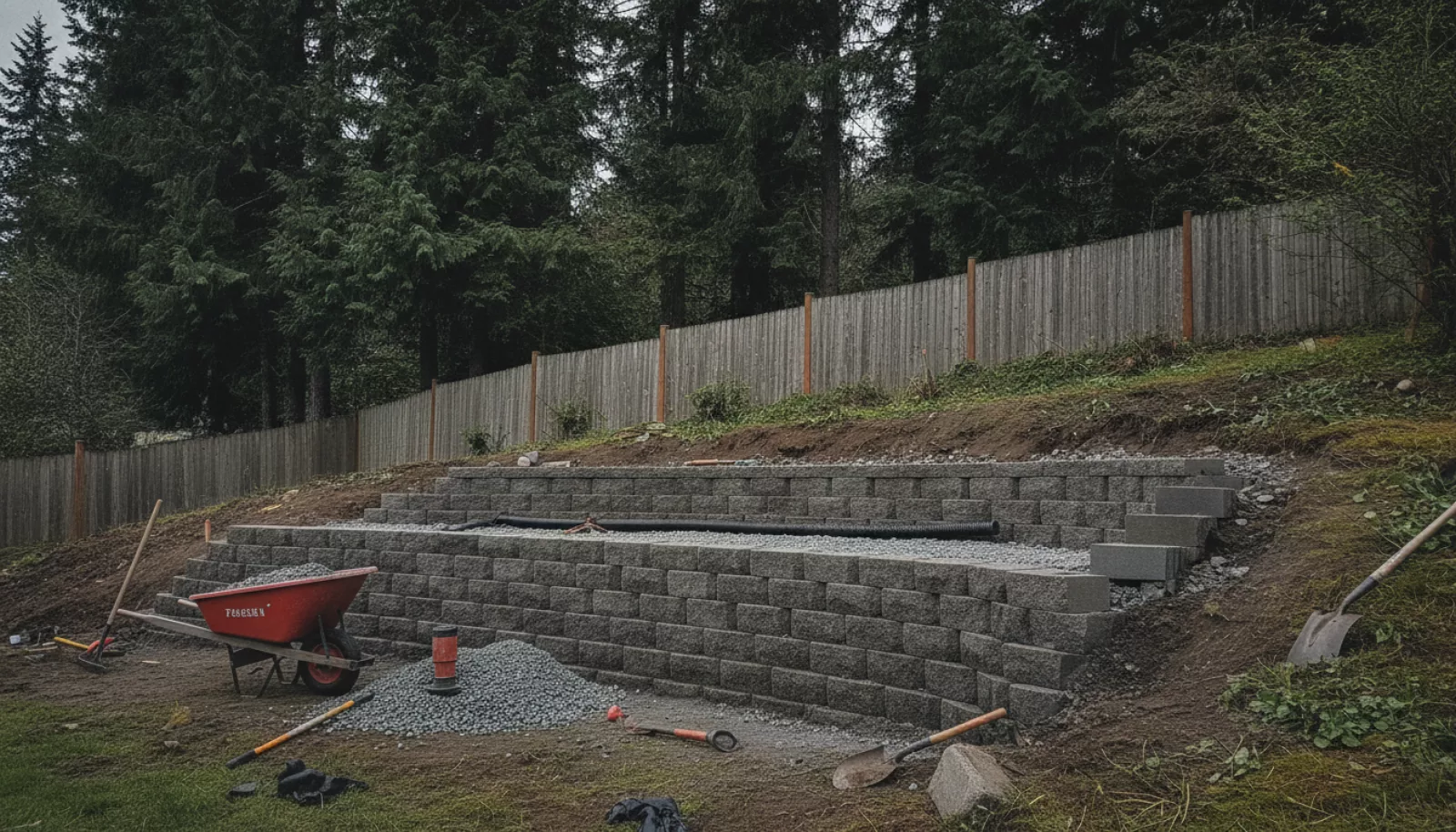
Water pressure building behind a wall is what destroys it, not the soil weight. A properly built retaining wall needs crushed gravel backfill and a drainage pipe running along its base to redirect water safely away. Skipping this step is the single most expensive mistake I see on DIY retaining wall projects.
Stacked Tiers vs Single Walls
Choosing between a single tall wall and multiple stacked tiers depends on your slope grade, available space, and how you want to use the landscape. Single walls work well for contained drops under four feet. Beyond that, tiered retaining walls distribute soil pressure more safely and open up usable flat space between each level. Those flat terraces become garden beds, seating areas, or even raised beds with the right design plan behind them. I’ve seen steep, unusable hillsides become genuinely beautiful outdoor living spaces through a well-executed tiered approach.
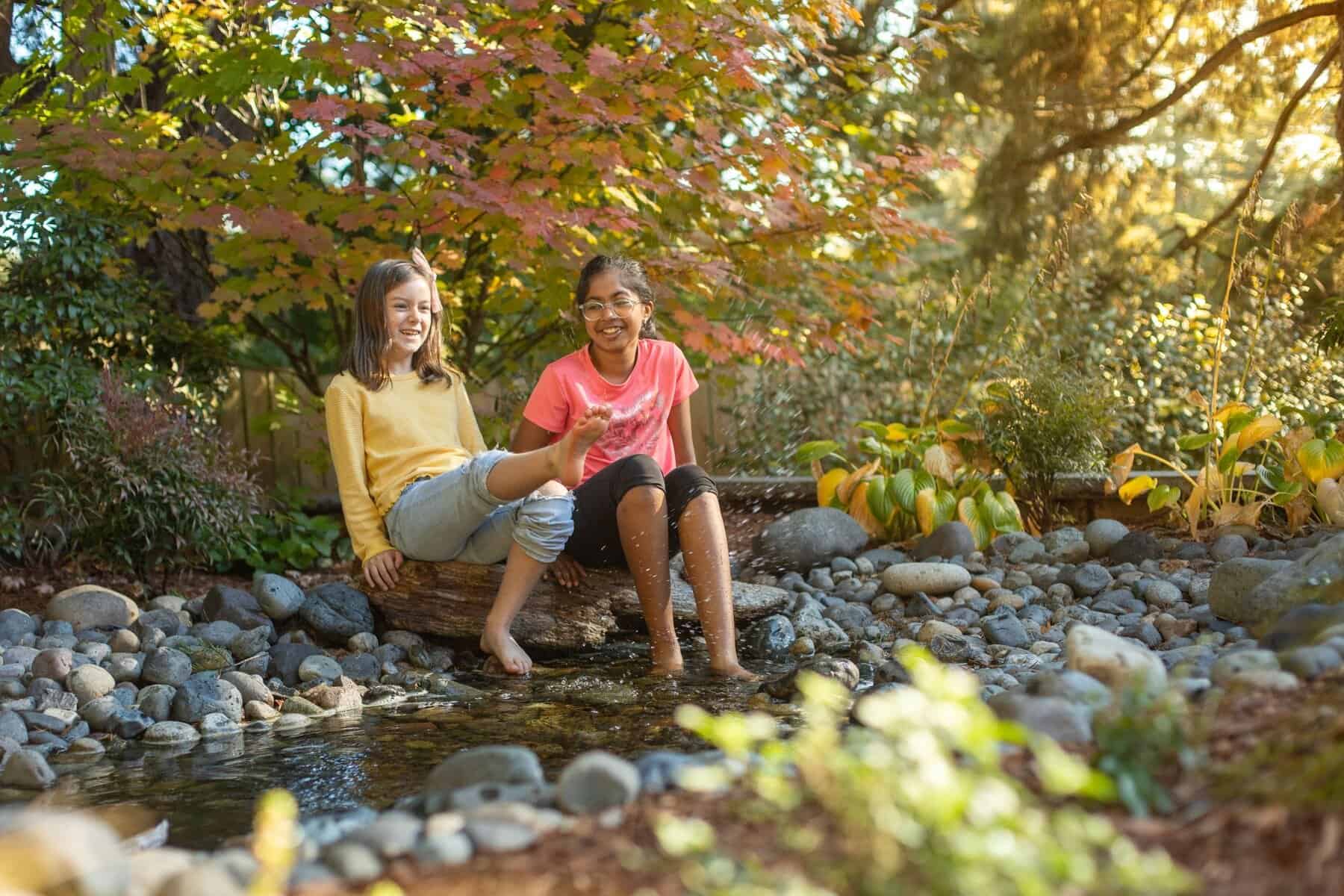
Terracing Turns a Difficult Hillside Into a Functional Outdoor Living Area
What Terracing Actually Involves and How It Changes Your Yard
Terracing means cutting a slope into a series of level steps, each held in place by a small retaining wall or planted border. It fundamentally changes how water moves across your property by breaking up the long uninterrupted run that accelerates erosion. I think of it as converting a liability into a layered landscape that actually works for you.
Design Ideas for Each Terrace Level
The owners, a couple in their early 50s with grown kids and a generous landscaping budget, wanted their steep backyard to finally earn its view. We designed three distinct terrace levels. The uppermost became a natural stone seating area with a fire pit. The middle tier got deep garden beds planted with drought-resistant shrubs and ornamental grasses. The lowest level transitioned into a lawn panel that connected to the existing yard.
Each terrace level deserves its own purpose. Upper tiers work beautifully as outdoor living spaces, with room for seating, a fire pit, or a wooden structure like a pergola. Middle tiers suit raised beds, rock gardens, or dense plantings. Lower tiers handle the transition back to lawn or existing hardscape most naturally.
How Terracing Compares to Retaining Walls in Cost and Impact
Terracing costs more upfront than a single retaining wall because it involves more excavation, more wall material, and more deliberate site grading across multiple levels. What you gain is proportionally greater. A single retaining wall holds soil. A terraced system holds soil, manages water runoff, and gives you genuinely usable outdoor space at every level. For homeowners treating their property as a forever home, terracing consistently delivers better long-term value per dollar spent.
How to Manage Water Runoff on a Landscaping Steep Slope Before It Causes Damage
French Drains and Swales Redirect Water Away From Your Foundation
Water always finds the path of least resistance, and on a steep slope that path often leads straight to your foundation. French drains intercept subsurface water before it builds pressure against walls or saturates soil to the point of failure. Swales work at the surface level, channeling stormwater runoff laterally across a slope rather than letting it gather speed straight downhill.
Proper Grading at the Start Saves Expensive Repairs Later
The USGS estimates that landslides cost Americans between $2 billion and $4 billion annually, and standard homeowner’s insurance policies typically exclude earth movement damage entirely. Most of that cost traces back to drainage issues that were ignored or improperly addressed at the outset. Correct site grading directs water away from structures and vulnerable soil before a single plant goes in the ground.
A homeowner in his mid-50s contacted us after his neighbor’s slope failed during a particularly wet February, sending mud across both properties. His own slope had similar soil conditions. We regraded the entire hillside, installed a French drain system along the upper edge, and established contour rows of native plantings. Two winters later, the slope hasn’t moved an inch.
The Drainage Mistakes Homeowners Make That Make Erosion Worse
Washington ranks among the most landslide-prone states in the country, yet I regularly see the same avoidable drainage mistakes on residential properties across Tacoma and Gig Harbor. Directing downspouts onto a slope rather than away from it is one of the most common. Installing landscape fabric without accounting for subsurface water movement is another. Both decisions accelerate soil erosion rather than controlling it, turning a manageable drainage issue into a structural one.
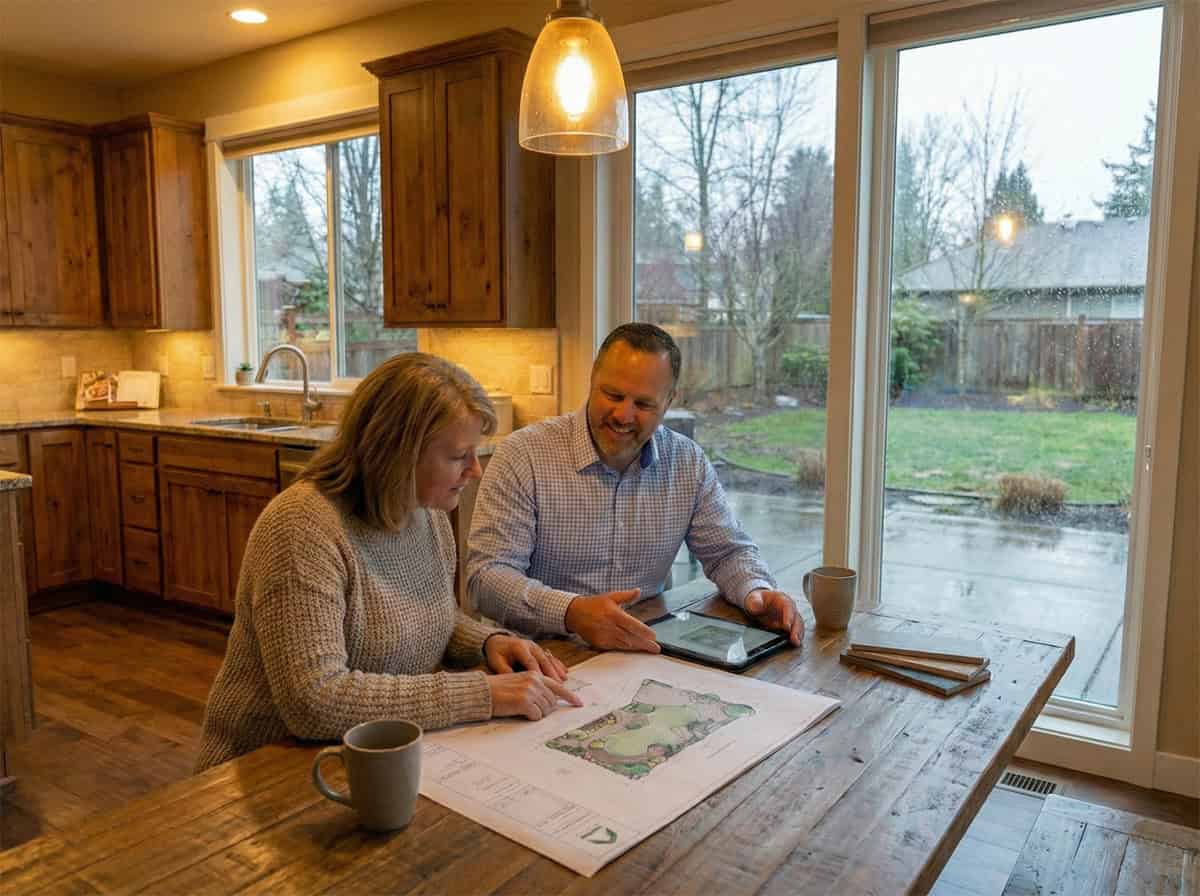
What Paths, Steps, and Hardscaping Actually Do for a Sloped Yard
How to Make a Steep Slope Safe and Accessible Year-Round
A slope without safe access is just a hazard you own. Wet PNW winters make unimproved hillsides genuinely dangerous, and I’ve seen plenty of beautiful plantings become completely inaccessible from October through March. Well-designed paths and stepping stones solve this practically while adding visual structure that makes the whole yard feel intentional and considered.
Here is what good slope access actually requires:
- Stable, level footing on every step regardless of grade
- Non-slip surface materials that handle moss and wet leaves
- Adequate width for comfortable movement, not just single-file shuffling
- Proper base preparation so steps don’t shift or sink over winter
Natural Stone vs Concrete Steps
They wanted steps connecting their upper deck to their lower garden beds, and they wanted something that looked like it belonged on the property rather than something poured out of a truck. We installed natural stone steps with a compacted gravel base and shade plantings along each side. Four winters in, nothing has shifted.
Natural stone and concrete each have genuine strengths for PNW landscaping projects:
- Natural stone ages gracefully, handles freeze-thaw cycles well, and blends with native rock already present on most PNW properties
- Concrete offers consistent sizing, easier installation on complex grades, and lower upfront material costs
- Exposed aggregate concrete splits the difference, adding texture that improves grip through wet seasons
For premium properties, natural stone almost always wins on long-term visual impact.
Adding Outdoor Living Features to a Slope Without Sacrificing Stability
Hardscaping a slope isn’t only about safety and erosion control. Done well, it creates genuinely usable outdoor space where there was none before. I’ve helped Tacoma and Gig Harbor homeowners add fire pits, pergolas, and seating areas to slopes that previously felt like wasted square footage. The Washington State Department of Ecology notes that surface-only planting solutions often fail on steeper grades, which is exactly why combining hardscape materials with vegetation cover produces more stable and more enjoyable results than either approach alone.
How to Tell When Your Slope Needs a Professional Landscape Assessment
The Signs That DIY Plant Coverage Is Not Enough
Washington State research found that 84% of landslides inventoried in Seattle were influenced, at least in part, by human actions on the slope or surrounding property. That statistic matters because it means most slope failures aren’t inevitable. They’re the result of decisions made without a full picture of what the site actually needs. If your plant material keeps washing out, bare patches keep reappearing after rain, or erosion channels are reforming season after season, plant coverage alone isn’t solving your problem.
What a Professional Slope Assessment Actually Covers
A University Place homeowner in his early 40s reached out after two failed landscaping projects on the same slope. He’d spent real money twice and gotten the same result both times. A proper assessment changed everything. It covered soil composition and drainage behavior, slope grade measurement across multiple points, existing root systems and their effectiveness, water runoff paths during heavy rain, and structural risk to nearby fencing and the home’s foundation. That full picture told us exactly what the slope needed rather than what seemed like a reasonable guess.
How a Layered Design-Build Approach Gets It Right the First Time
Slopes rarely have a single problem. They have several interconnected ones, and fixing only one while ignoring the others is exactly how homeowners end up spending money twice. A layered approach addresses soil stabilization, water management, plant selection, and hardscape integration as a single coordinated plan rather than separate fixes applied one frustrated season at a time. The USDA’s own soil bioengineering guidance confirms that combining structural and biological solutions consistently outperforms either approach used in isolation.
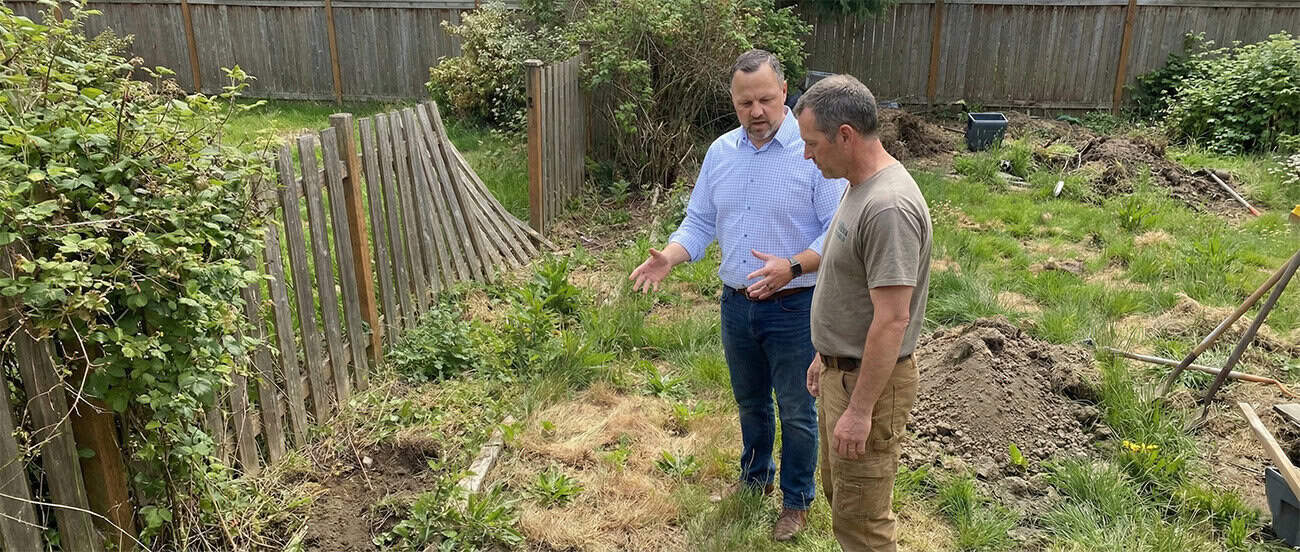
How Father Nature Landscapes Solves Slope Problems for Tacoma and Gig Harbor Homeowners
20 Years of Managing Challenging PNW Properties
Since 2006, we’ve worked on 500+ properties across Tacoma, Gig Harbor, and Puyallup. Steep slopes are some of our most rewarding landscaping projects. We’ve seen every soil condition, drainage issue, and grade challenge this region produces.
What Our Design-Build-Maintain Approach Means for Your Hillside
We don’t hand off your project between disconnected teams. One trusted crew handles design, installation, and ongoing yard maintenance from start to finish. Here is what that means for your slope:
- A coordinated plan covering erosion control, drainage, and planting from day one
- Professional execution using premium hardscape materials and proven plant species
- Ongoing seasonal care that keeps your slope stable year after year
- 200+ five-star reviews from homeowners who were exactly where you are now
What to Expect When You Book a Free Consultation With Our Team
Booking a free consultation is straightforward and zero pressure. Here is how it works:
- We visit your property and assess your slope conditions firsthand
- We identify drainage issues, soil stabilization needs, and design opportunities
- You receive a clear, honest recommendation with no obligation attached
Your beautiful, stress-free landscape is just a conversation away. Schedule your free consultation today.
Frequently Asked Questions
1. What is the most low-maintenance approach to steep slope landscaping?
Deep-rooted native groundcovers combined with erosion control systems give you the best results with the least ongoing effort. Steep slope low maintenance landscaping works best when you prioritize plant species that establish quickly and self-sustain through PNW winters without intervention.
2. Can I grow a vegetable garden on a steep slope?
Yes, but it requires terracing first to create level planting surfaces. Once terraced, raised beds on each level work beautifully, giving you productive growing space while the retaining structure below handles soil stabilization.
3. What erosion control materials work best during installation before plants establish?
Jute netting and Flexterra mulch are two of the most effective options for protecting bare soil between planting and full vegetation cover. Both biodegradable materials hold the soil surface stable through rain while plants develop the root systems that take over long-term.
4. Is landscaping fabric a good solution for steep slopes?
Landscaping fabric works as a short-term tool during installation but is not a standalone erosion control solution on steep slopes. Without adequate vegetation cover and proper drainage behind it, fabric can actually trap water and accelerate slope failure over time.
5. What are some creative landscape ideas for an ugly or overgrown slope?
A rock wall with drought-resistant plants cascading over it, an alpine garden using native rock and ornamental grasses, or a layered planting scheme featuring euphorbia wulfenii and drought-tolerant zauschneria can completely change how a difficult slope looks and functions. A skilled landscape designer can turn what feels like a problem property into one of its most distinctive features.
6. Will Siberian Cypress work on a PNW slope?
Siberian Cypress is an excellent choice for Pacific Northwest slopes. It spreads reliably, handles cold wet winters without complaint, and provides dense low groundcover that suppresses weeds while binding surface soil effectively across challenging grades.
7. Do I need a registered landscape architect or will a landscape contractor be sufficient?
For most residential slope projects in Tacoma and Gig Harbor, an experienced landscape contractor with proven slope experience is sufficient. A registered landscape architect becomes more valuable on complex sites involving significant grading, structural retaining systems, or properties near sensitive shoreline areas requiring permitting.
Conclusion
Steep slopes don’t have to stay problems. With the right combination of plants, drainage, and structure, they become some of the most impressive parts of your property. At Father Nature Landscapes, we’ve been solving exactly these challenges across Tacoma, Gig Harbor, and Puyallup since 2006. We understand PNW soil, PNW rain, and PNW homeowners.
If your slope is keeping you up at night, book a free consultation and let’s build a plan together.