I’ve lost count of how many times homeowners have called me, genuinely confused about whether they need a landscape designer vs. landscape architect. After 20 years and 500+ projects around Tacoma, I get it. The titles sound similar, but they’re actually quite different.
Quick answer? Landscape architects are licensed professionals who can engineer complex stuff like drainage systems and structural work. Landscape designers focus on the creative side of residential projects like garden design, plant materials, and outdoor living areas that make your weekends better.
Most homeowners don’t need an architect. But some absolutely do. Let me guide you on how to tell the difference and which one to choose.
Chris’ Quick Takeaways
- Landscape architects hold state licenses for engineering work. Designers focus on creative residential projects
- Most Tacoma homeowners need a designer, not an architect (and save 30-50% in fees)
- Retaining walls over 4 feet legally require an architect’s stamp in Washington
- Pacific Northwest expertise matters more than credentials – local plant knowledge saves you money
- Honest professionals tell you upfront when your project needs architectural involvement
- Design-build-maintain companies eliminate coordination headaches between multiple contractors
- Your backyard patio and garden redesign rarely need engineering stamps or complex permits
The Education Gap That Changes Everything
What Landscape Architects Actually Study (And Why It Matters for Your Project)
Landscape architects earn a Bachelor of Landscape Architecture or Masters of Landscape Architecture from accredited programs. We’re talking 4 to 6 years studying civil engineering, soil science, grading and drainage, and construction documentation. They learn AutoCAD for landscape design and how to read building codes.
This matters when your Tacoma property has serious site challenges:
- Steep slopes? They’ve studied soil erosion control.
- Flooding issues? They understand stormwater management systems.
- Need a retaining wall over four feet? They can stamp those construction drawings.
How Landscape Designers Learn Their Craft
Most landscape designers learn through apprenticeships, certifications like the Landscape Institute offers, or programs like QC Design School. Some are certified landscape designers. Others built expertise through years of hands-on landscape projects.
I started in 2006 without a formal landscape architecture degree. My education came from transforming hundreds of residential projects, understanding Pacific Northwest plant materials, and fixing other contractors’ drainage mistakes at 2 AM during storms.
Why Both Paths Can Lead to Beautiful Outdoor Spaces
There’s only one thing homeowners care about. The results. A designer with 20 years of local experience often delivers better garden design than a fresh architecture graduate. But that architect’s engineering knowledge saves you when site analysis reveals geological features requiring professional stamps.
What Licensing Actually Allows Professionals to Do
The Legal Scope of a Licensed Landscape Architect’s Work
I’ve seen homeowners confused about what that license actually means. Here’s what architects can legally do that I can’t: stamp construction drawings for city permits, engineer drainage systems affecting public infrastructure, and design outdoor structures requiring structural calculations. They studied civil engineering and soil science specifically for this work.
What Designers Can Handle Without State Licensing
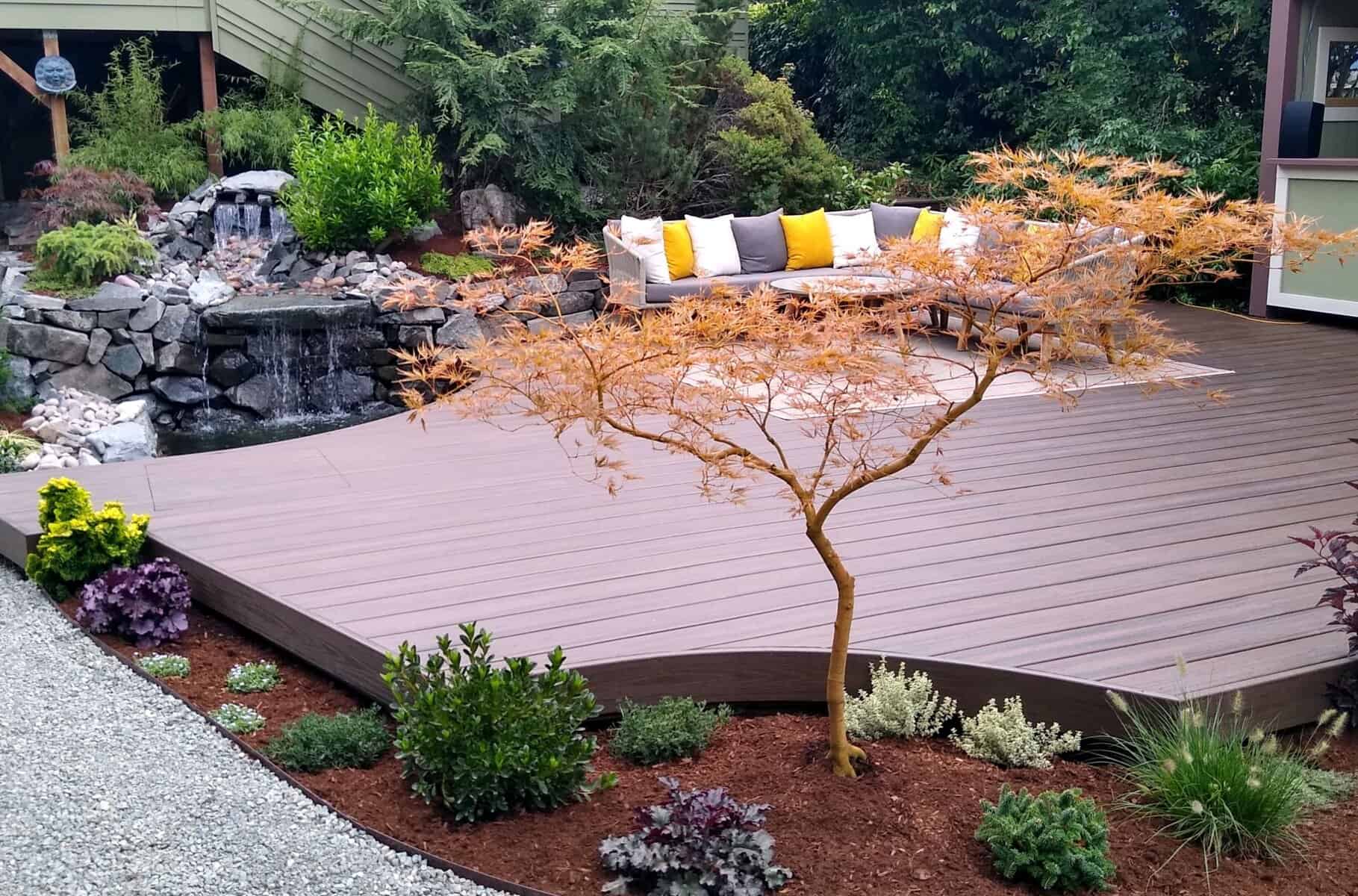
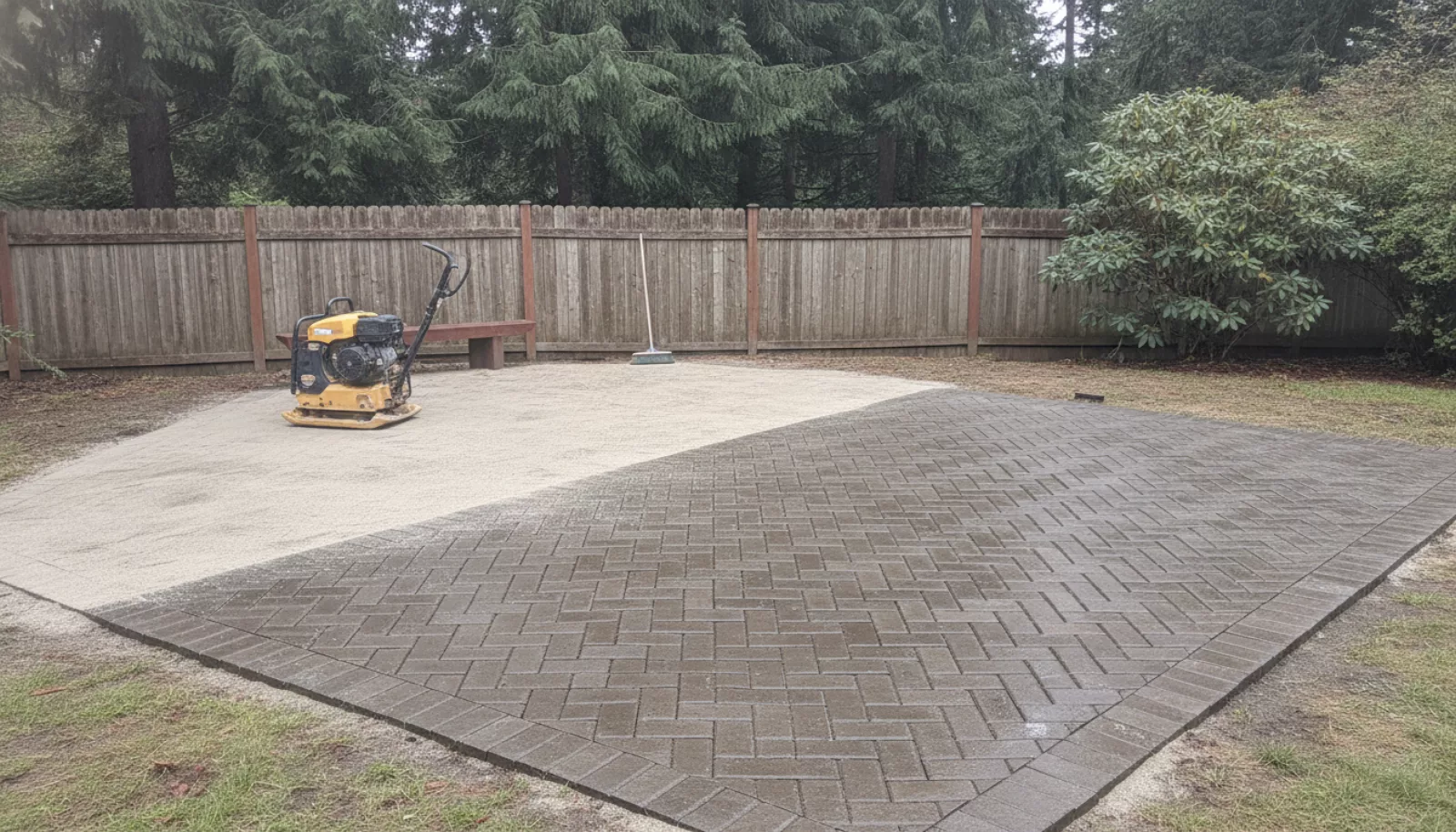
We handle the majority of residential projects beautifully. I’ve completed 500+ landscape projects without needing a state license because most work falls outside regulated territory. Garden design, plant materials selection, softscape installation, landscape lighting, paver paths, and outdoor living areas under 200 square feet don’t require architectural stamps.
Last year, a 42-year-old Tacoma couple called me panicking. Another contractor told them they needed an architect for their backyard renovation, inflating their budget by $8,000. I did a site visit and confirmed what I suspected: simple garden bed redesign with a small concrete patio. No permits needed. We completed it in three weeks.
Why Insurance and Bonding Matter More Than You Think
Licensing isn’t the only credential worth checking. I carry full insurance and bonding because accidents happen. We’ve had trees fall during storms and equipment damage sprinkler lines. Our coverage protected those homeowners completely. Always verify any landscape professional’s insurance before signing contracts.
How Much Does Each Professional Actually Cost
Landscape Architect Fees
Landscape architects typically charge 10-15% of total project costs or $100-$200 per hour in our area. You’re paying for their engineering expertise, construction documentation, and that official stamp on permits. For a $50,000 project, expect $5,000-$7,500 just for design work.
Designer Pricing for Residential Projects in Tacoma
We charge significantly less because we’re not covering licensing overhead. Most residential projects run $2,000-$4,000 for a complete conceptual landscape design including a scaled site layout and planting plans. You get professional results without paying for credentials your garden redesign doesn’t legally require.
When Paying More Actually Saves You Money Long-Term
I always tell clients the truth about when architects are worth it. A 55-year-old University Place homeowner wanted to tackle his sloped backyard himself after balking at architect quotes. Two years later, he called me to fix the drainage nightmare costing him $15,000 in foundation repairs. Proper site analysis upfront would’ve been cheaper.
A Real Project Budget Breakdown
In 2023, we worked with a young family prioritizing outdoor living space on a $35,000 budget. Our design fees were $3,200. We handled softscape installation, paver paths, landscape lighting, and native plant materials. They got a complete backyard transformation. A landscape architect would’ve consumed $5,000-$6,000 of their budget before installation even started.
Technical Skills That Separate a Landscape Designer vs. Landscape Architect
Grading, Drainage, and Soil Engineering
Landscape architects study soil science, civil engineering, and stormwater management. They perform soil tests, calculate water flow, and design drainage systems that prevent your basement from flooding. Their construction plans include precise grading specifications and erosion control measures.
Plant Selection, Aesthetics, and Seasonal Color
Designers master native and ornamental plant species, understanding which thrive in Pacific Northwest conditions. We know California pepper trees won’t survive Tacoma winters. We create garden design with year-round interest, managing pest and disease naturally, and selecting plant materials that fit your maintenance preferences.
3D Visualization Tools Both Professionals Use Today
Both use CAD software and 3D landscape design programs. Architects rely on AutoCAD for landscape design and Land F/X for construction documentation. Designers use similar CADD technology for drafting plans and showing clients realistic renderings of their outdoor living area before breaking ground.
| Skill Area | Landscape Architect | Landscape Designer |
|---|---|---|
| Engineering | Drainage systems, grading calculations, soil erosion control | Basic site drainage, simple grading |
| Plant Expertise | Plant selection for functional purposes | Deep knowledge of native and ornamental plant species, seasonal design |
| Documentation | Construction plans with engineering stamps | Design drawings, planting plans |
| Permits | Can obtain permits for structural work | Limited to non-structural permits |
| Software | AutoCAD, Land F/X, civil engineering tools | 3D landscape design software, rendering programs |
| Site Analysis | Comprehensive soil tests, environmental factors | Visual assessment, local ecosystem knowledge |
Pacific Northwest Projects Have Special Requirements
Drainage Challenges in Tacoma’s Rainy Climate
Tacoma gets 39+ inches of rain yearly. Poor drainage systems turn yards into swamps. I’ve rescued dozens of residential projects where contractors ignored our wet climate. Standing water breeds mosquitoes, kills plant materials, and damages foundations.
Native Plant Knowledge That Saves Money and Maintenance
Pacific Northwest native plants handle our conditions perfectly:
- Sword ferns thrive in shade without irrigation
- Oregon grape provides year-round structure
- Vine maple offers fall color naturally
- Native kinnikinnick replaces thirsty lawn
These beat importing species that demand constant attention. A Puyallup client spent thousands on high-maintenance ornamental plant species before we redesigned with natives. Her water bill dropped 60%.
Slope and Erosion Control in Gig Harbor Properties
Gig Harbor’s hillside homes face serious soil erosion during winter storms. Simple landscaping work won’t cut it. Properties with steep geographical features need proper assessment of environmental factors. Sometimes that means calling an architect for engineered solutions. Other times, strategic plant selection and hardscape features stabilize slopes beautifully.
Red Flags That Scream “You Need an Architect, Not a Designer”
Retaining Walls Over 4 Feet High
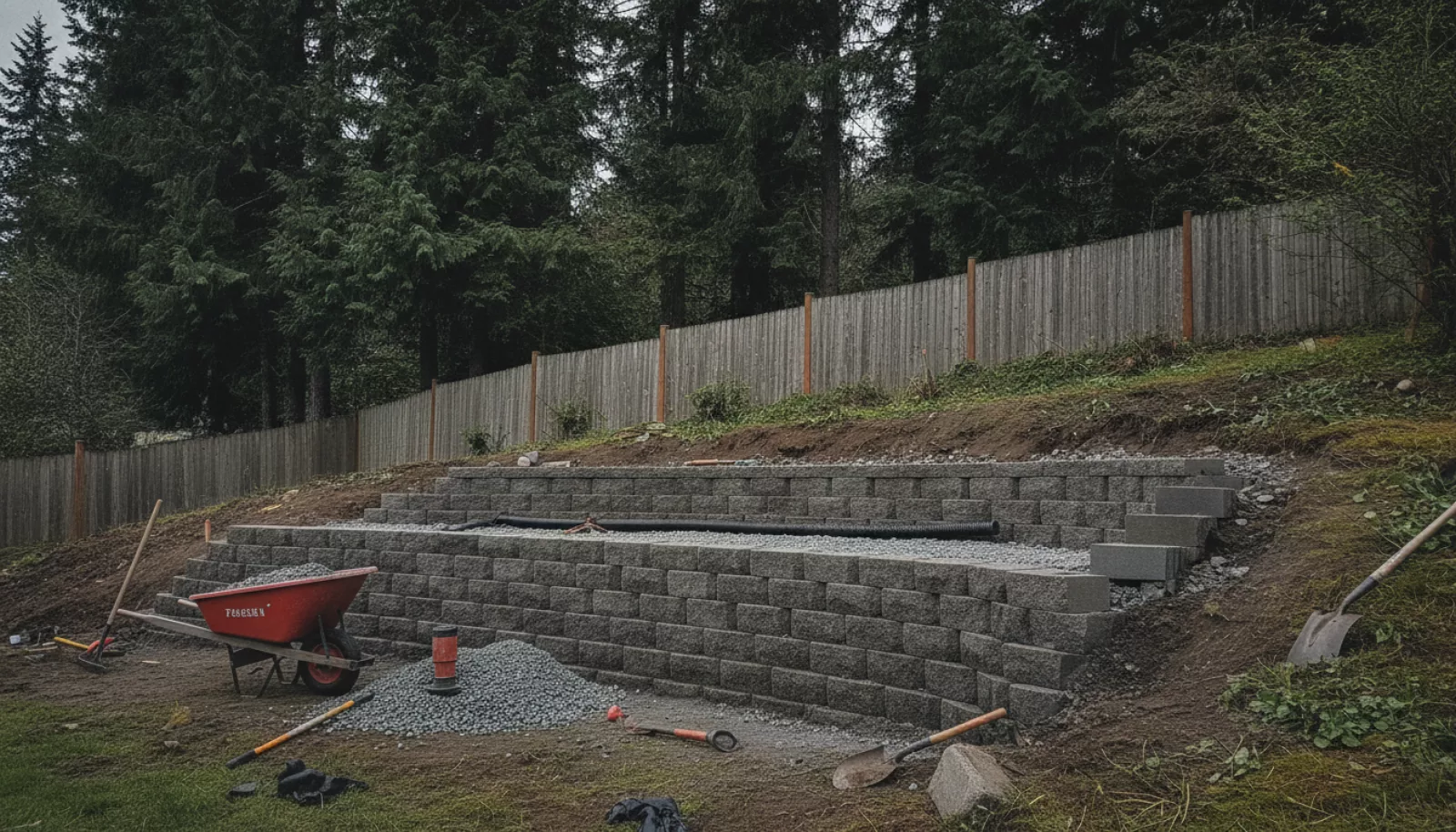
Washington law is clear. Retaining walls exceeding 4 feet require engineering stamps and construction documentation from a licensed professional. No exceptions. The liability alone should scare any designer away from these landscape projects.
Properties With Serious Drainage or Flooding Issues
Minor drainage challenges? Designers handle those. But if your basement floods during storms or neighbors complain about runoff, you need professional stormwater management. Architects study civil engineering specifically for these situations.
Projects Requiring City Permits and Engineering Stamps
Check building codes before starting. Projects needing structural permits require architectural involvement. This includes major grading changes, outdoor structures over certain sizes, and work affecting property lines.
How One University Place Homeowner Avoided a Costly Mistake
A client called wanting a “simple” terraced garden on his steep lot. Three landscape contractors had given bids for installation without mentioning permits. During my site visit, I spotted the red flags immediately.
The slope exceeded 40%. The project needed significant grading, 4 retaining walls, and a drainage system to manage runoff. I connected him with a licensed landscape architect who engineered the solution properly. Yes, it cost more upfront. But it saved him from potential collapse, neighbor lawsuits, and city fines that would’ve tripled his budget.
When a Landscape Designer Is Actually the Better Choice
Garden Bed Redesigns and Softscape Enhancements
Most residential projects need creative vision, not engineering calculations. Garden design focusing on plant materials, softscape elements, and aesthetic improvements fits perfectly with designer expertise. We understand which native and ornamental plant species thrive together and create year-round interest.
Outdoor Living Spaces Without Major Structural Changes
Designers excel at creating outdoor living areas that don’t require permits. We’re talking paver paths, concrete patios under 200 square feet, landscape lighting, and fire pit areas. These projects move faster and cost less without architectural involvement.
Seasonal Color Plans and Plant Palette Updates
A Tacoma client wanted her tired yard refreshed. No drainage problems. No structural issues. Just boring plants and zero curb appeal.
We delivered exactly what she needed:
- Removed high-maintenance ornamental species
- Installed Pacific Northwest natives for year-round structure
- Added seasonal color with drought-tolerant perennials
- Designed landscape lighting for evening ambiance
- Created defined garden beds with natural stone edging
Total transformation in 2 weeks. An architect would’ve been overkill and added unnecessary costs. She got professional results matched to her actual needs, enhancing property value without the complexity of construction plans.
The Questions You Should Ask Before Hiring Either Professional
Experience With Pacific Northwest Climate and Plants
Ask specific questions about local ecosystems. Can they name 5 native plant species for shady areas? Do they understand Tacoma’s drainage challenges? A California-trained professional might design beautiful spaces, but if they’re recommending California pepper trees for our climate, run.
Portfolio of Similar Projects in Your Area
Request photos of completed landscape projects within 15 miles of your property. Local experience matters. Soil conditions vary dramatically between Gig Harbor’s clay and Puyallup’s sandy loam. Someone who’s worked your neighborhood understands these geographical features.
How They Handle Unexpected Site Challenges
Every project hits surprises. Buried concrete. Underground springs. Compacted soil. Ask about their landscaping process when site analysis reveals problems. Do they adapt construction methods, or rigidly stick to original plans causing change orders and budget overruns?
Who Manages the Installation Phase
This question separates true professionals from paper pushers. Some hand you construction drawings and disappear. Others manage landscape contractors through completion.
A Tacoma couple hired an architect who designed beautifully but had zero installation connections. They spent months finding qualified contractors willing to interpret complex construction documentation, delaying their project through an entire growing season.
What Father Nature Landscapes Brings to the Table
Our Design Team’s Credentials and Pacific Northwest Expertise
Since 2006, we’ve completed 500+ residential projects across Tacoma, Gig Harbor, and Puyallup. Our team understands native and ornamental plant species, local soil conditions, and drainage challenges specific to our rainy climate. We deliver a scaled conceptual landscape design so you see your outdoor living area before installation begins.
When We Recommend Bringing in a Licensed Architect
Honesty builds trust. We tell clients upfront when projects need architectural involvement. Retaining walls over four feet? We’ll connect you with qualified professionals. Serious site analysis revealing complex grading issues? We bring in the right expertise rather than fumbling through work beyond our scope.
A Gig Harbor client wanted extensive outdoor structures with built-in seating and overhead coverage. We designed the softscape elements and garden design, then partnered with a licensed architect for the structural components requiring permits. She got seamless coordination instead of managing multiple contractors separately.
The Design-Build-Maintain Advantage
Most companies do one thing. We handle everything:
- A professional conceptual landscape design you can see before we break ground
- Expert installation using quality plant materials and hardscape features
- Ongoing landscape management so your investment stays beautiful
No coordination headaches. No finger-pointing between designers and landscape contractors. One trusted team from concept through years of maintenance.
| Service Phase | What We Provide | Your Benefit |
|---|---|---|
| Design | Conceptual landscape design, plant selection, construction drawings | See your vision before spending |
| Installation | Professional crews, quality materials, licensed & insured | No surprises, guaranteed results |
| Maintenance | Weekly visits, seasonal treatments, expert care | Reclaim your weekends permanently |
Frequently Asked Questions
1. Do I need a landscape architect or designer for a basic backyard patio?
Most patio projects need a designer, not an architect. Unless you’re building over 200 square feet requiring permits or dealing with serious drainage issues, designer expertise handles patios beautifully at lower cost.
2. How much more do landscape architects charge compared to designers?
Architects typically charge 30-50% more than designers due to their licensing and engineering expertise. For residential projects not requiring structural stamps, you’re paying for credentials your project doesn’t actually need.
3. Will I see what my project looks like before installation?
Yes. We deliver a scaled, buildable conceptual landscape design that shows exactly how your outdoor living area is laid out, materials and all, before breaking ground. You make confident decisions on screen, where changes cost nothing.
4. What happens if my designer discovers my project needs an architect?
Honest professionals tell you immediately and connect you with qualified architects. We’ve partnered with licensed professionals on dozens of projects, ensuring seamless coordination rather than leaving you to figure it out alone.
5. Are landscape designers licensed in Washington State?
Designers don’t hold state licenses like architects do. However, reputable designers carry proper insurance, bonding, and certifications. Always verify credentials and check reviews before hiring any landscaping professional for your property.
6. How do I know if my retaining wall needs an architect’s stamp?
Washington requires architectural stamps for retaining walls exceeding 4 feet in height. Anything shorter typically doesn’t need engineering documentation. Your local building department can confirm specific requirements for your project.
7. Can Father Nature Landscapes handle both design and installation?
Yes, that’s our specialty. We provide comprehensive design-build-maintain services, handling everything from the initial conceptual landscape design through professional installation and ongoing maintenance. One team, zero coordination headaches for you.
Conclusion
After 20 years transforming Tacoma properties, I know the confusion between landscape architects and designers costs homeowners time and money. Most residential projects need expert design, quality installation, and reliable maintenance – not expensive architectural stamps.
Father Nature Landscapes delivers all three. We’re honest about when you need an architect and handle everything else beautifully. Your outdoor sanctuary is closer than you think.
Ready to discuss your project? Book a free consultation today and let’s create something amazing together.