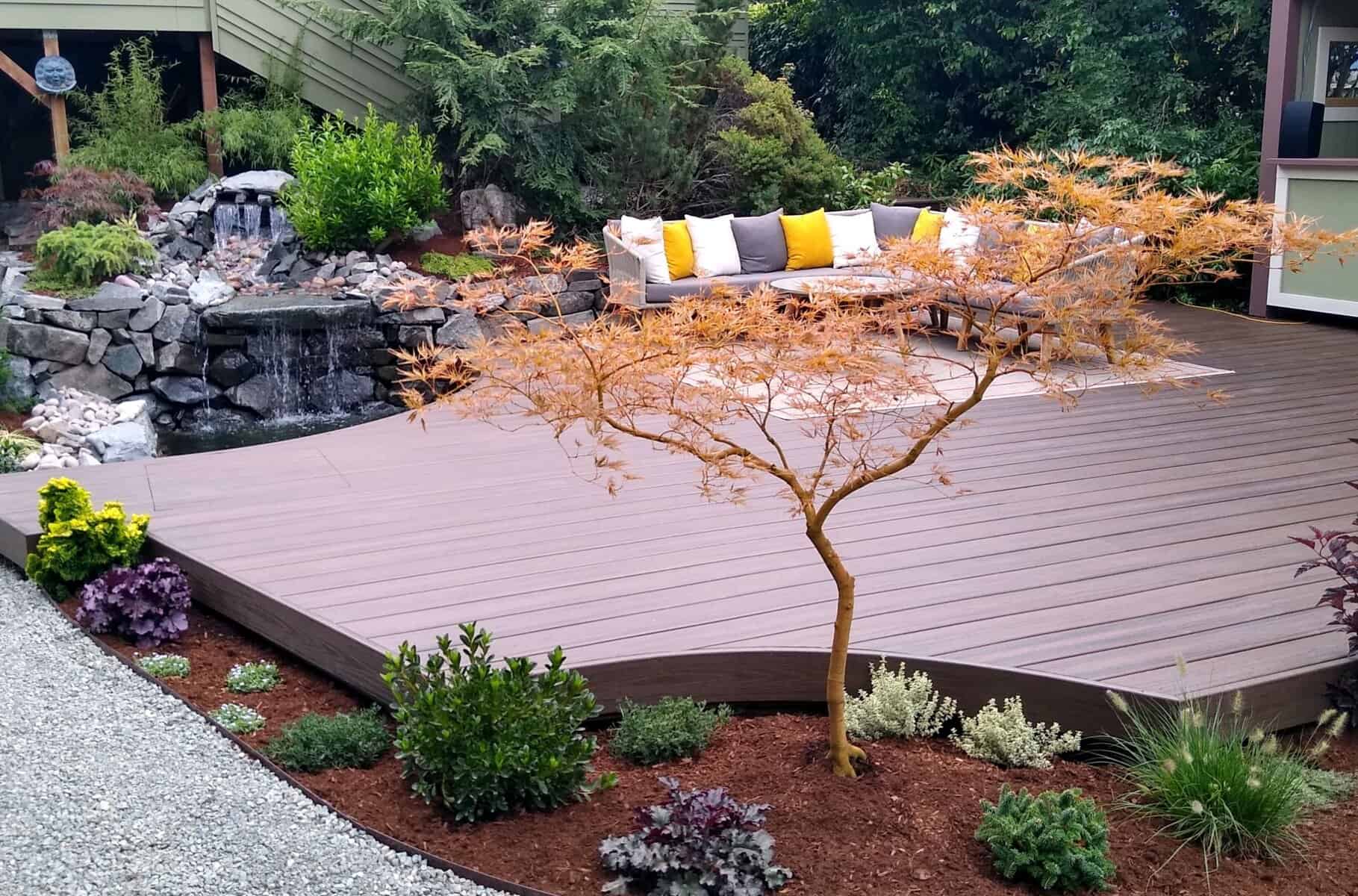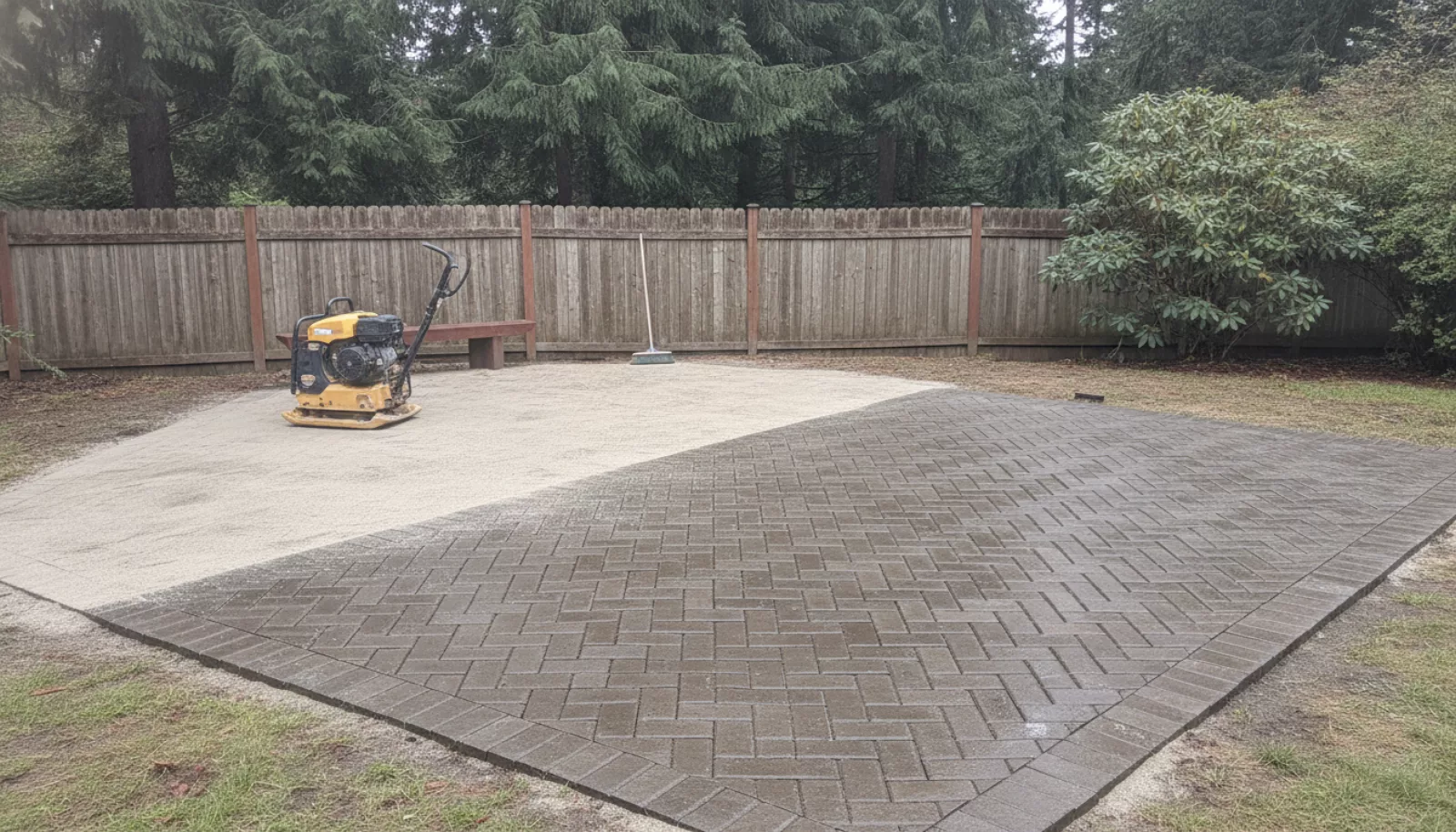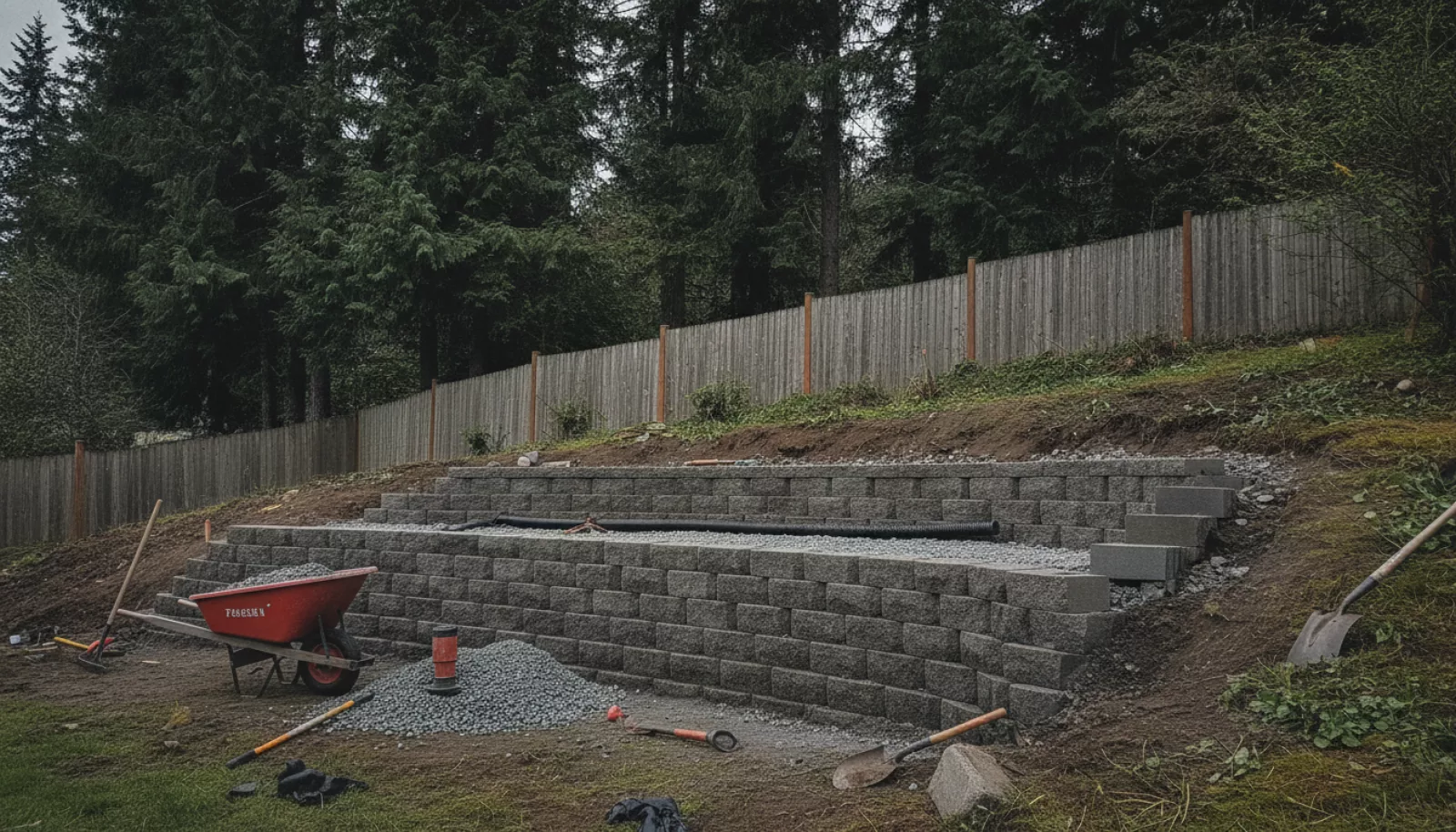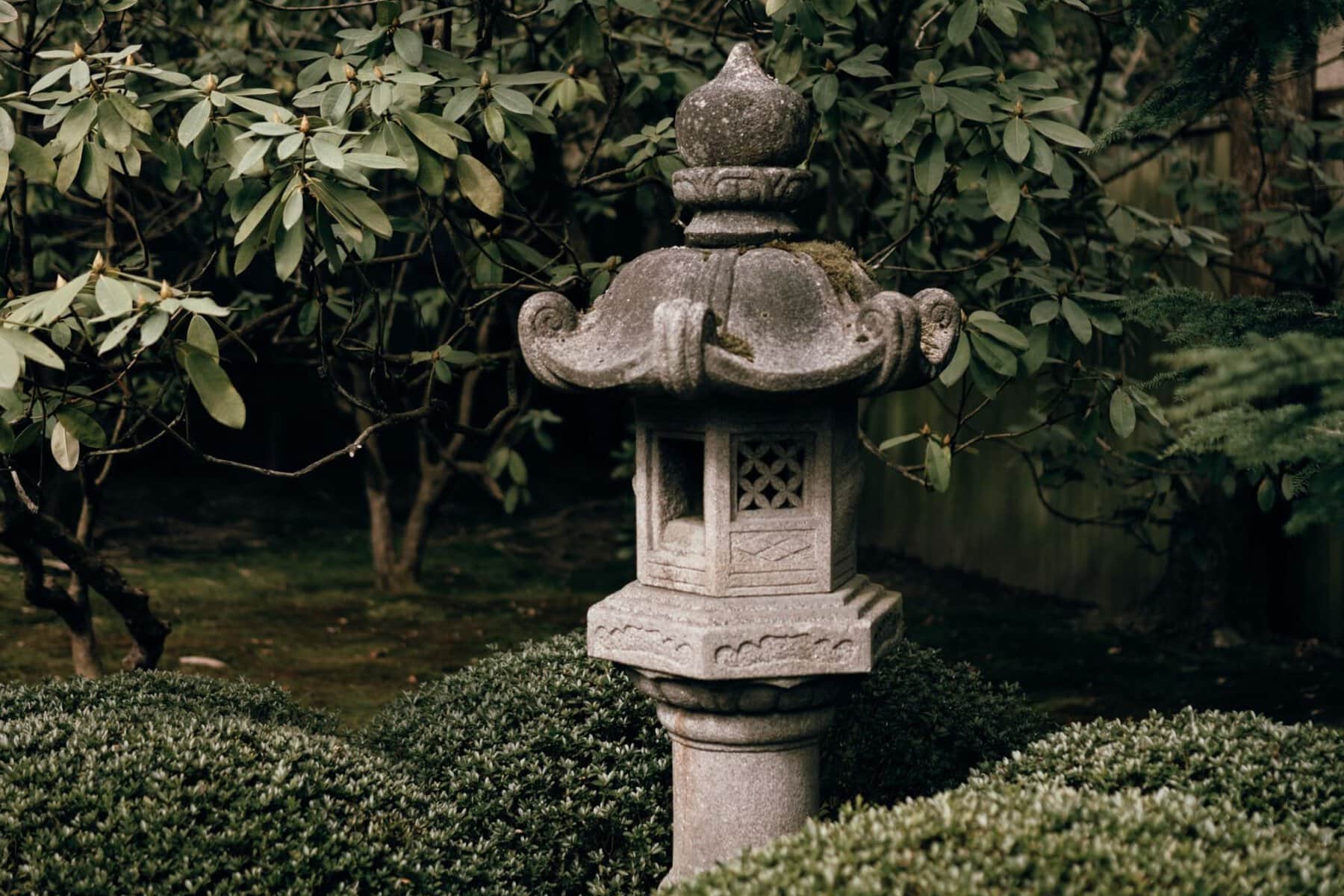
Evergreen landscape design gives your yard a strong, living structure that holds up beautifully through every season, including Tacoma’s long, grey winters. After 20+ years and 500+ projects across the Pacific Northwest, I’ve seen what separates a landscape that looks great in June from one that looks great in January. The answer is almost always the same: a thoughtful backbone of evergreen plants anchored by solid design principles. No bare sticks. No empty beds. Just a yard that works year-round, with or without a single flower in bloom.
Chris’ Quick Takeaways
- Evergreens are the bones of your landscape. Without them, your yard has no structure from November through March.
- Always plan for mature plant size, not the size on the nursery tag today.
- The 50/25/25 ratio works. Half evergreens, a quarter seasonal color, a quarter specimen plants.
- Pacific Northwest soil and rainfall are specific. Your plant selection needs to reflect that reality.
- Foundation planting is a design strategy, not just shrubs against your house.
- One species repeated everywhere looks clean until one bad season takes it all out.
- A well-built evergreen landscape saves you time, money, and weekend hours every single year.
Why Your Yard Looks Bare in Winter
What Happens When a Landscape Has No Backbone
Most yards look great in July. Come November, they look abandoned. Without structural elements holding things together, what you’re left with is empty beds, bare branches, and a front yard that makes your neighbors quietly grateful for their own.
The Role Evergreens Play as the “Bones” of a Garden
Gertrude Jekyll once wrote that having plants without intention doesn’t make a garden, it makes a collection. Evergreens are what turn a collection into a design. They are the plant materials that hold shape, color, and form when everything else goes dormant.
A well-landscaped home carries a value advantage of 5.5% to 12.7% over an unlandscaped one, according to a Virginia Tech study last reviewed in November 2023. Evergreens that provide year-round structure are a significant part of what makes that value stick.
Pacific Northwest Climate Makes Evergreens Even More Essential
Tacoma gets around 41 inches of rain a year. Our winters are long, grey, and very visible from the street. A well-placed evergreen landscape design doesn’t just survive that, it uses it, staying lush and structured through every wet, overcast month we get.
A client in Gig Harbor came to me frustrated. Her yard had beautiful roses, ornamental grasses, and Japanese maples, but from October through April it looked completely stripped. We rebuilt her planting plan around a broadleaf evergreen backbone. That following winter, her yard had more visual interest than most of her neighbors’ yards did in summer.

Plan Your Evergreen Landscape Design Before You Buy a Single Plant
Read Your Yard for Sun, Shade, and Drainage
Before I recommend a single plant to any homeowner, I walk their yard first. I check where the sun hits, where water pools after rain, and where the soil stays soggy longest. Those three things alone eliminate half the bad plant selection decisions that landscape designers see every season.
The 50/25/25 Planting Ratio That Professionals Use
A couple in their 50s from University Place spent nearly $4,000 on plants in one spring, picking everything by looks alone at the nursery. By fall, a third were dead. When I redesigned their beds using a structured ratio of 50% evergreens, 25% seasonal bloomers, and 25% specimen plants, their landscape finally held together through every season.
Good garden designers don’t wing the plant mix. The 50/25/25 ratio gives you a reliable foundation. Half your planting goes to evergreens for structure, a quarter to seasonal color, and a quarter to statement plants like Harry Lauder’s Walking Stick or Crimson Queen Japanese maple.
Map Out Your Layers Before You Start Digging
Think of your yard in three horizontal bands: tall background, mid-layer shrubs, and low ground-level plants. Mapping these layers on paper before installation saves real money and real regret. I’ve seen homeowners skip this step and end up with a flat, single-dimensional planting that looks more like a parking lot border than a garden design.
The average American homeowner spends 70 hours per year on yard work. A properly layered evergreen landscape design, planned before a single shovel goes in the ground, significantly cuts that number by reducing replanting, reworking, and ongoing weed pressure.
Choose the Right Evergreen Plants for Tacoma and the PNW
Best Broadleaf Evergreen Shrubs for the Pacific Northwest
Broadleaf evergreens are workhorses in Pacific Northwest landscape design. Evergreen Azaleas bring reliable color while holding their foliage all winter. Goshiki Shidare offers stunning variegated leaves year-round, and Coral Bells, known botanically as Heuchera americana, gives you rich burgundy and copper tones that look genuinely beautiful against wet, dark winter soil.
Top Conifers That Thrive in Western Washington Conditions
A retired engineer in his 60s from Puyallup wanted low-maintenance structure along his property line without losing light to his vegetable beds. We installed a staggered row of Blue Star Juniper at the front and a columnar conifer behind it. Three years later, he hasn’t touched them beyond one light trim.
Blue Star Juniper and Blue Rug Juniper are two of my most-used conifers for Tacoma landscapes. They handle our wet winters without root rot, stay compact, and bring that cool blue-grey tone that makes everything planted around them look more intentional and designed.
Native Evergreens That Perform With Almost No Maintenance
Native plants are genuinely hard to beat for sustainable landscapes in the PNW. Tiarella cordifolia, or Foamflower, stays evergreen in our mild winters and thrives in shade gardens. Fragaria virginiana, the Wild Strawberry, makes a tough, attractive ground cover that handles both dry summers and soggy Northwest winters without complaint.
Evergreens to Avoid in PNW Landscapes (And What to Use Instead)
English Ivy looks tidy at the nursery and becomes a full-time problem within two seasons. It spreads aggressively, damages structures, and crowds out the native plant materials you actually want. I steer every client away from it and toward Chrysogonum virginianum, or Green and Gold, which gives you the same low ground cover effect without the regret.
Tacoma receives approximately 41 inches of rain annually based on NOAA climate normals, with January humidity reaching 87%. Plant selection that ignores these specific regional conditions is one of the most common and costly mistakes I see homeowners make across the Pacific Northwest.
Table: PNW Evergreen Plant Quick-Reference Guide
| Plant Name | Type | Mature Size | Light Needs | Best Used For | PNW Winter Performance |
|---|---|---|---|---|---|
| Blue Star Juniper | Conifer | 2-3 ft wide | Full sun | Foundation planting, rock gardens | Excellent |
| Blue Rug Juniper | Conifer | 6-8 ft wide | Full sun | Hillside landscaping, ground cover | Excellent |
| Goshiki Shidare | Broadleaf shrub | 5-6 ft tall | Part shade | Specimen plants, mixed beds | Excellent |
| Coral Bells (Heuchera americana) | Broadleaf perennial | 12-18 in | Part shade | Front of border, container gardens | Very Good |
| Tiarella cordifolia | Native perennial | 12 in | Full to part shade | Shade gardens, ground cover | Excellent |
| Evergreen Azalea | Broadleaf shrub | 3-5 ft | Part shade | Foundation planting, cottage gardens | Very Good |
| Fragaria virginiana | Native perennial | 6-8 in | Full sun | Ground cover, raised bed edging | Excellent |
| Chrysogonum virginianum | Native perennial | 6-12 in | Part shade | Small gardens, ground cover | Good |
| Crimson Queen Japanese Maple | Specimen tree | 8-10 ft | Part shade | Specimen focal point, zen gardens | Very Good |
| Harry Lauder’s Walking Stick | Deciduous specimen | 8-10 ft | Full sun | Winter interest, garden art | Very Good |
Use Evergreen Foundation Planting to Anchor Your Home to the Landscape
What Foundation Planting Actually Means
Foundation planting is not just stuffing shrubs against your house to hide the concrete base. It is a deliberate design strategy that connects your home visually to the ground it sits on. Most homeowners get it wrong by planting too close, too dense, or without any thought for growth potential over the next decade.
How to Frame Your Home’s Architecture With the Right Plants
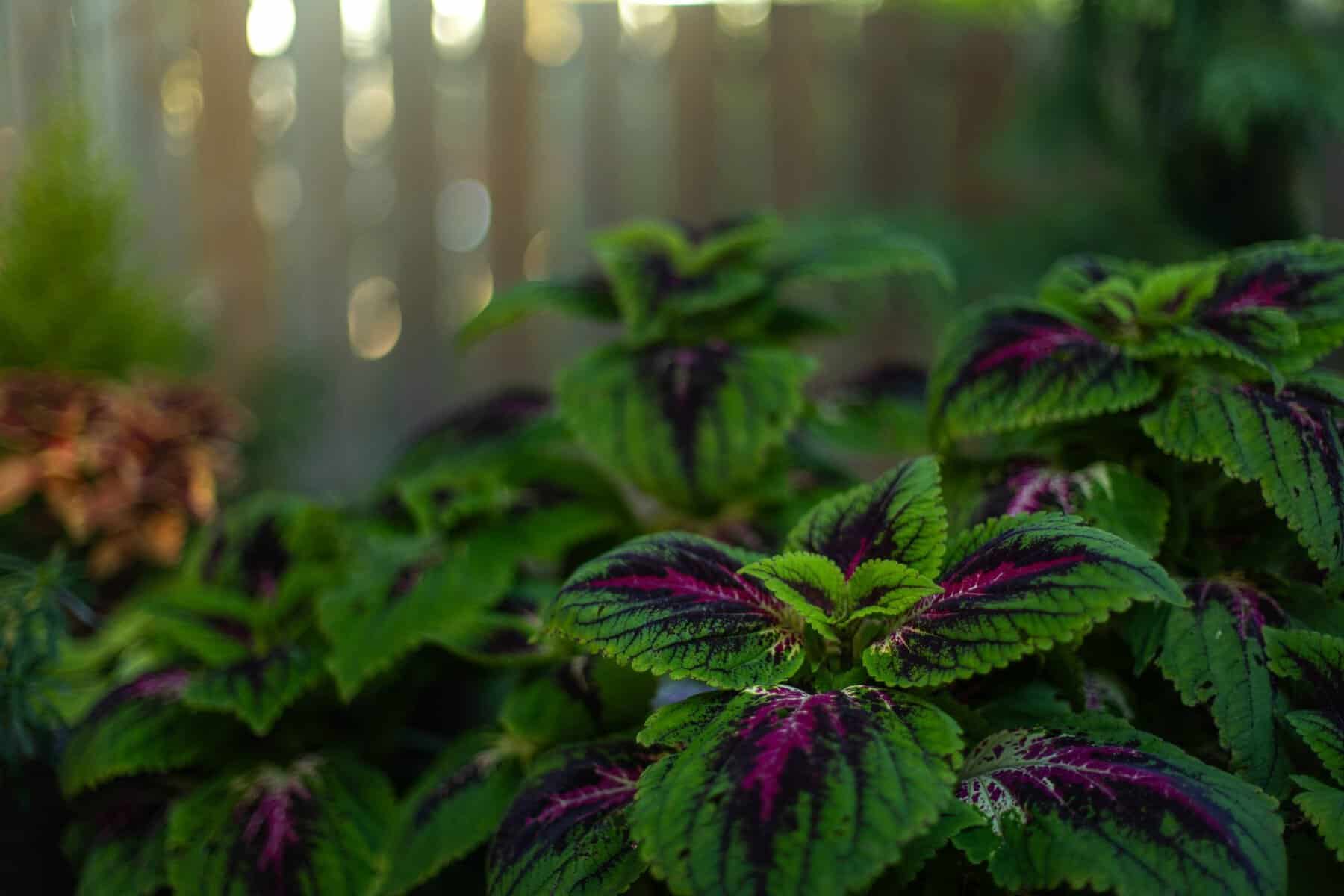
Think of your home’s facade as a canvas. Evergreen foundation planting works best when it echoes your home’s lines rather than fighting them. A low, horizontal ranch-style home pairs beautifully with spreading Blue Rug Juniper and mounding Coral Bells, creating soft transitions that feel designed rather than accidental.
A homeowner in her 40s from Tacoma’s North End had a craftsman-style home she absolutely loved but a foundation bed that looked like it hadn’t been touched since the 1990s. We redesigned it using layered evergreen shrubs that framed her porch columns and drew the eye toward her front door. She told me it was the first time the house looked as good on the outside as it did on the inside.
Spacing, Depth, and Maturity Size Rules You Cannot Ignore
This is where most DIY foundation planting goes wrong. A plant that looks perfectly sized at the nursery can swallow a window in five years if you don’t account for its growth potential. I always plan for mature spread, not current size, keeping plants at least half their mature width away from the structure.
Evergreen Foundation Planting Combinations
Some combinations just work reliably in Pacific Northwest conditions. Goshiki Shidare paired with low-growing Heuchera americana gives you contrasting textures and color through every month. Add a single specimen plant like a Crimson Queen Japanese maple as an anchor point and you have a foundation bed with genuine aesthetic appeal across all four seasons.
A Virginia Tech consumer study found that design sophistication ranked as the single most important factor homeowners and buyers evaluated in residential landscapes. Thoughtful evergreen foundation planting is exactly the kind of design sophistication that drives both curb appeal and measurable property value.
Build Visual Structure With Layering, Form, and Texture
How to Layer Tall, Mid, and Low Evergreens for Depth
Layering is the single most effective technique I use to make a landscape look professionally designed rather than randomly planted. It creates depth, frames views, and gives every part of your yard a purpose. Here is how I think about the three layers:
- Tall layer (6 feet and above): Columnar conifers, upright hollies, or large broadleaf evergreens that create the backdrop and define the space
- Mid layer (2 to 6 feet): Evergreen Azaleas, mounding shrubs, and structural plants like Goshiki Shidare that carry the eye across the bed
- Low layer (under 2 feet): Ground-hugging plants like Blue Rug Juniper, Tiarella cordifolia, and Heuchera americana that seal the base and suppress weed pressure
Using Plant Form (Columnar, Mounding, Spreading) as a Design Tool
Two busy professionals in their late 30s from Gig Harbor wanted their backyard to feel like a private outdoor living space without a fence. Their budget was modest but their vision was clear. We used a mix of columnar evergreens for vertical privacy, mounding shrubs for softness, and spreading junipers at the edges. The result felt intentional, layered, and surprisingly spacious.
Plant form is one of the most underused design principles in residential landscaping. Most homeowners pick plants for color and ignore shape entirely, which is why so many yards feel visually flat. A simple mix of columnar, mounding, and spreading forms creates movement and contrast that holds interest through every season.
Mixing Needle and Broadleaf Textures for Year-Round Interest
Frederick Bland, former chairman of the Brooklyn Botanic Garden board, described this approach well when he said that combining structural plant choices creates what many call the “bones” of a garden, ensuring four-season visual interest. I apply that thinking on every project by pairing fine-needled conifers against broad, glossy evergreen leaves. The contrast between a Blue Star Juniper’s silvery needles and the bold rounded leaves of a broadleaf shrub creates a richness that no single plant type achieves alone.
Landscape irrigation accounts for nearly one-third of all residential water use in the U.S. according to the EPA. A well-layered evergreen landscape using climate-adapted plant materials can reduce that outdoor water demand by 20 to 50 percent, making smart plant selection a genuinely sustainable choice for Tacoma homeowners.
Add Color, Fragrance, and Seasonal Interest Without Losing Structure
Evergreen Shrubs That Bloom, Berry, or Blush in Winter
A common misconception I run into is that evergreen means boring. It absolutely does not. Winterberry holly brings brilliant red berries through the darkest months, Evergreen Azaleas burst into bloom in early spring while still holding their foliage, and Coral Bells shift into deeper burgundy tones that honestly look better in winter than they do in summer.
Pairing Evergreens With Seasonal Plants for a Four-Season Display
A homeowner in her early 60s from Tacoma’s Proctor District came to me with one specific request. She wanted color in the garden every single month of the year without it ever looking messy or overgrown. We built her beds around a strong evergreen backbone and wove in Penstemon digitalis for summer vertical interest, Fragaria virginiana for spring ground-level charm, and winterberry holly for winter color. Twelve months later she sent me a photo from every single one of them.
Evergreens give you the structure. Seasonal blooming plants give you the story. When I pair them intentionally, the evergreens act as a steady frame and the seasonal plants rotate through like chapters, keeping the garden design fresh without ever losing its shape or coherence.
How to Use Foliage Color (Gold, Blue, Burgundy) as a Design Element
Foliage color is one of the most powerful and most overlooked tools in garden design ideas. I regularly use the cool blue of Blue Star Juniper against the warm burgundy of Heuchera americana to create contrast that reads beautifully from a distance. Add a gold-tipped conifer into that mix and you have a color palette that requires zero blooming plants to feel vibrant and intentional year-round.
According to the EPA’s WaterSense program, using climate-adapted plants in your landscape can reduce outdoor water use by 20 to 50 percent. Choosing evergreens and native seasonal companions suited to Pacific Northwest conditions means your landscape stays colorful and structured without leaning heavily on irrigation systems to survive our dry summers.
Common Evergreen Landscape Design Mistakes That Cost Homeowners Dearly
1. Planting Too Close to the House
I’ve seen this mistake on more Tacoma properties than I can count. A shrub planted 12 inches from the foundation looks tidy at installation and becomes a moisture-trapping, siding-damaging problem within three years. Fixing it means removal, soil correction, and replanting, which routinely runs homeowners between $4,000 and $12,000 depending on how bad the drainage damage has become.
2. Choosing Plants for Their Look Today, Not Their Size in 10 Years
A family in University Place bought a newly built home in 2019 and planted a full evergreen landscape design themselves over one weekend. They were proud of it. By 2023, their front windows were half-covered, their walkway was completely enclosed, and two shrubs had started lifting the concrete edging. The replanting cost them more than hiring professional landscape designers would have in the first place.
Growth potential is not optional information. It is the most important number on that nursery tag. Here are the questions I ask before any plant goes in the ground:
- What is the mature spread of this plant, not just the mature height?
- How far is it from the nearest structure, path, or window?
- Will it need constant pruning to stay in bounds, and is that realistic long-term?
- Does its mature size work with the plants around it, or will it eventually crowd them out?
3. Ignoring Drainage and Soil Prep Before Installation
Pacific Northwest soil, especially around Tacoma, is often heavy clay that holds water long after the rain stops. Planting evergreens into unprepared clay soil without addressing drainage is one of the fastest ways to lose an entire bed to root rot. I always assess drainage before installation because correcting it afterward means excavation, French drains, or full regrading at significant expense.
4. Over-Relying on One Species and the Risk It Creates
Sustainable landscapes need diversity. Filling your entire yard with one evergreen species feels visually clean but creates real vulnerability. A single pest, disease, or weather event can wipe out your entire planting in one season, leaving you with nothing but bare soil and a large replanting bill. I always mix species, varying plant materials across beds to build resilience into the design from day one.
Correcting drainage problems after landscape installation typically costs between $4,000 and $12,000 for excavation and remediation alone, with additional plant replacement costs of $2,000 to $6,000, according to recent landscaping cost data from 2026. Proper soil and drainage assessment before a single plant goes in the ground is genuinely one of the highest-value steps in the entire process.
Maintain Your Evergreen Landscape Without Losing Its Shape
When and How to Prune Evergreens in the Pacific Northwest
Pruning evergreens at the wrong time is one of those mistakes that doesn’t announce itself immediately but shows up ugly six months later. In the Pacific Northwest, I prune most broadleaf evergreens in late winter, just before new growth pushes, and conifers lightly in early summer during their active growth phase. Pruning in fall invites disease and frost damage into fresh cuts during exactly the wrong season.
Fertilizing, Mulching, and Watering Through Wet Winters and Dry Summers
A retired teacher from Puyallup had a beautifully installed evergreen landscape that started looking tired and yellowed by its third summer. She assumed it needed more water. It actually needed a slow-release fertilizer application in early spring and a proper 3-inch mulch layer that had been skipped at installation. One seasonal visit corrected both issues and her landscape bounced back fully within eight weeks.
Tacoma’s climate creates a specific maintenance rhythm that catches a lot of homeowners off guard. Our wet winters mean irrigation systems can stay off entirely from November through April. Our dry summers, by contrast, can stress even established evergreens without supplemental watering every seven to ten days during July and August.
Seasonal Checkups That Keep Your Landscape Looking Pristine Year-Round
A pristine evergreen landscape doesn’t happen by accident. It happens because someone checks on it four times a year with intention and acts on what they find. Here is what I look for during each seasonal visit:
- Early spring: New growth emergence, winter damage, fertilizer needs, and weed pressure before it establishes
- Early summer: Irrigation system performance, mulch depth, and light shaping of conifers during active growth
- Early fall: Soil moisture levels, any pest or disease activity on broadleaf evergreens, and structural pruning before dormancy
- Midwinter: Branch damage from storms, drainage performance around root zones, and overall structural integrity of the planting
A household with an improperly maintained automatic irrigation system can waste up to 25,000 gallons of water annually, with up to 50 percent of outdoor water lost to evaporation or runoff, according to the EPA WaterSense program. Seasonal landscape checkups that include irrigation system reviews are one of the simplest and most impactful maintenance steps a Tacoma homeowner can take.
Table: Pacific Northwest Evergreen Maintenance Calendar
| Season | Month | Task | Notes |
|---|---|---|---|
| Late Winter | February | Pruning broadleaf evergreens | Prune just before new growth pushes to maximize recovery |
| Early Spring | March | Fertilizing | Apply slow-release fertilizer to all evergreen beds |
| Early Spring | March to April | Mulching | Refresh mulch to 3-inch depth to retain moisture and suppress weed pressure |
| Late Spring | May | Irrigation system startup | Check all heads, adjust coverage, inspect for winter damage |
| Early Summer | June | Light conifer shaping | Prune during active growth phase only for clean results |
| Summer | July to August | Supplemental watering | Water established evergreens every 7 to 10 days during dry periods |
| Early Fall | September | Pest and disease inspection | Check broadleaf evergreens closely before dormancy sets in |
| Fall | October | Structural pruning | Complete any remaining shaping before first frost arrives |
| Early Winter | November | Irrigation system shutdown | Winterize fully to avoid freeze damage to irrigation systems |
| Midwinter | December to January | Storm damage check | Inspect branch structure and drainage around root zones after heavy rain |
Father Nature Landscapes Builds Lasting Evergreen Landscapes in Tacoma
Evergreen Landscape Design Requires Regional Expertise
Generic landscape advice written for the Midwest or the Southeast will quietly wreck a Pacific Northwest yard. I’ve spent 20+ years learning exactly which plants thrive in Tacoma’s clay soils, grey winters, and dry summers. That regional knowledge is not something you can shortcut.
Our Design-Build-Maintain Approach Under One Trusted Team
Most homeowners deal with one company for design, another for installation, and a third for maintenance. That handoff process is where things go wrong, get misinterpreted, or simply fall apart. At Father Nature Landscapes, the same trusted team handles your evergreen landscape design from the first site visit through every seasonal maintenance visit after installation.
Here is what that looks like in practice:
- Design: Professional plant selection, a scaled conceptual landscape design, and a master plan built specifically for your property and your Pacific Northwest conditions
- Build: Expert installation using premium plant materials, proper soil preparation, and drainage assessment before anything goes in the ground
- Maintain: Scheduled seasonal visits from certified landscape technicians who already know your property, your plants, and your goals
What to Expect From Your First Consultation With Us
Your first consultation is a real conversation, not a sales pitch. I walk your property, listen to what you want, and give you honest professional feedback. Here is what we cover:
- A full site assessment covering sun, shade, soil, and drainage
- Discussion of your goals, timeline, and landscape needs
- An overview of plant selection options suited to your specific conditions
- Clear next steps with no pressure and no obligation
We’ve completed 500+ projects across Tacoma, Gig Harbor, and Puyallup since 2006. We’re licensed, bonded, insured, and backed by 200+ five-star reviews. Your beautiful, stress-free landscape is just a conversation away. Schedule your free consultation now or call us at (253) 761-6437.
Frequently Asked Questions
1. What is evergreen landscape design and why does it matter year-round?
Evergreen landscape design is the intentional use of plants that retain their foliage through all four seasons to create lasting structure and visual interest. It keeps your yard looking purposeful and attractive even through Tacoma’s longest, greyest winters.
2. How do I start planning an evergreen landscape without hiring landscape architects?
Start by mapping your yard’s sun, shade, and drainage patterns before selecting any plants. A clear site assessment gives you the foundation for smart landscaping ideas that actually survive and thrive in Pacific Northwest conditions.
3. Can evergreen landscape design work in small gardens or tight spaces?
Absolutely. Small gardens actually benefit most from evergreen structure because every plant choice is visible year-round and needs to earn its place. Vertical gardens and container gardens are excellent tools for adding layered evergreen interest without requiring much ground space at all.
4. How do evergreens work in specialty garden styles like rock gardens or zen gardens?
Evergreens are the backbone of both rock gardens and zen gardens because they provide the calm, permanent structure these styles depend on. Low-spreading junipers and compact conifers integrate naturally with stone elements and require very little seasonal intervention to stay looking intentional.
5. Can I incorporate hardscape elements like stone walls and seating walls into an evergreen landscape?
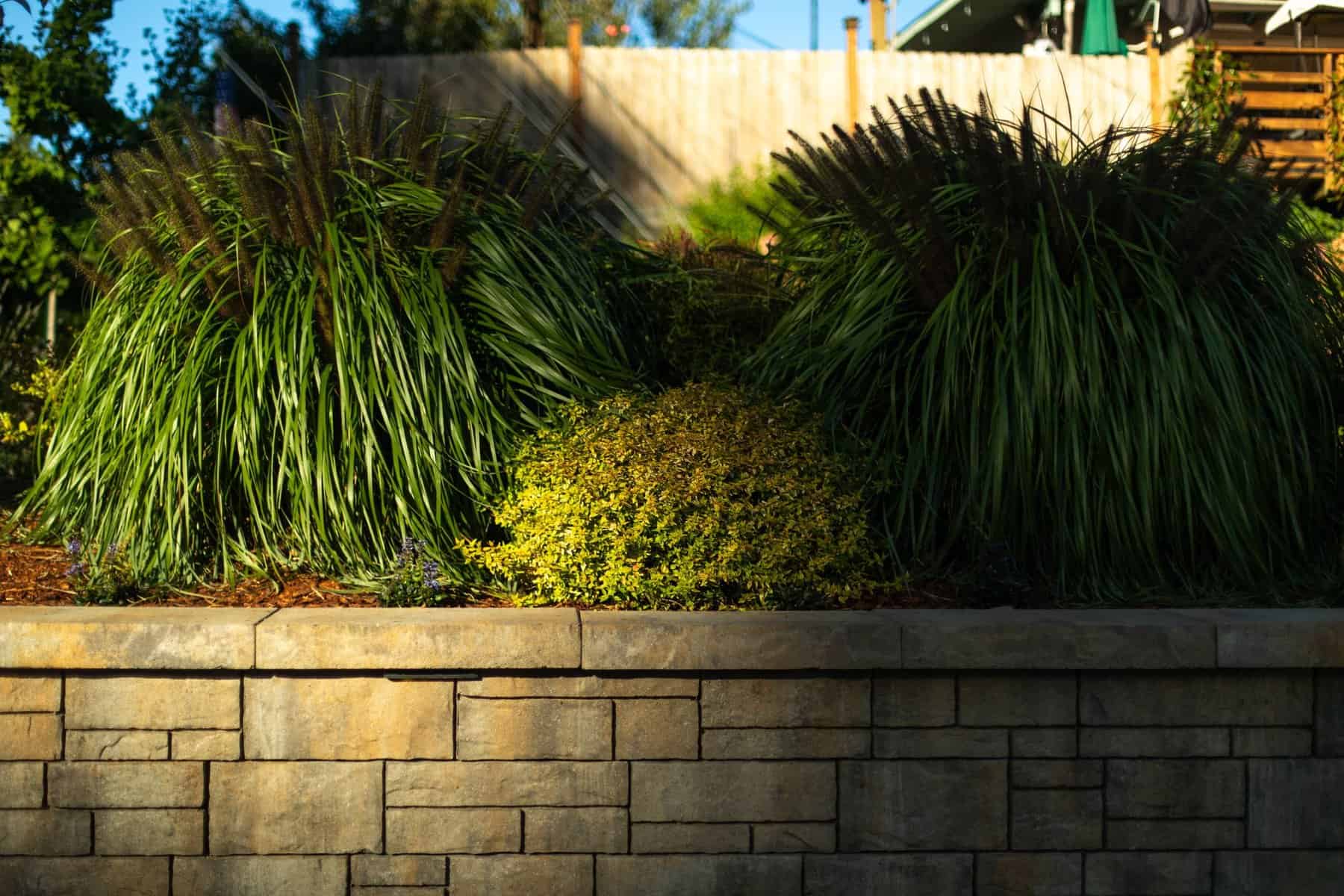
Yes, and I highly recommend it. Outdoor structural elements like stone walls and seating walls built by skilled hardscape stone masons complement evergreen planting beautifully by adding permanent texture and definition that reinforces the year-round structure your plants provide.
6. What evergreen plants work best for hillside landscaping in the Pacific Northwest?
Hillside landscaping in the PNW requires plants with strong root systems that stabilize soil through our wet winters. Blue Rug Juniper, native Tiarella cordifolia, and spreading broadleaf evergreens all perform exceptionally well on slopes while reducing erosion and maintenance demands significantly.
7. How do I add seasonal color to an evergreen landscape without losing its structure?
Weave in plants like Foxglove Beardtongue for summer vertical color and winterberry holly for winter berries, always anchored by your evergreen framework. Seed heads from ornamental grasses also add beautiful late-season texture and movement without disrupting the underlying structure of the design.
8. Can outdoor lighting enhance an evergreen landscape design?
Landscape lighting transforms an evergreen landscape after dark in ways that genuinely surprise homeowners the first time they see it. Strategic outdoor lighting placed behind columnar evergreens or uplighting specimen plants extends your outdoor living spaces well into the evening through every season of the year.
9. Does evergreen landscape design work for cottage gardens or moon gardens?
Evergreens provide the structural frame that makes both cottage gardens and moon gardens feel intentional rather than accidental. In moon gardens especially, silver-blue evergreens like Blue Star Juniper reflect low light beautifully and anchor the white and pale-toned blooming plants that define that garden style.
10. How do I use evergreens in raised bed gardening or island planting designs?
Raised bed gardening and island planting both benefit from at least one anchoring evergreen that holds the composition together through winter when seasonal plants die back. I typically place a compact evergreen shrub at the center or back of any island planting to give it year-round presence and a clear focal point.
Conclusion
An evergreen landscape design that holds its structure, color, and character through every Pacific Northwest season doesn’t happen by accident. It takes the right plants, the right plan, and someone who genuinely knows this region. At Father Nature Landscapes, that’s exactly what we’ve been delivering across Tacoma, Gig Harbor, and Puyallup since 2006.
Ready to build something that lasts? Book Your Free Consultation today.