The best patio design ideas for Tacoma don’t come from random Pinterest boards. They come from understanding what works in our Pacific Northwest climate. After 20+ years of building outdoor spaces across Tacoma, Washington and the Puget Sound region, I’ve learned that a beautiful patio that can’t handle nine months of rain is just an expensive mistake. The good news is that with the right materials, a smart layout, and a few local tricks of the trade, your outdoor living space can look sharp and stay functional every single month of the year. Let’s get into it.
Chris’ Quick Takeaways
- Tacoma gets rain on roughly 150 days a year. Your patio material and cover choice are not optional decisions, they are the whole game.
- Natural stone and concrete pavers consistently outlast cheaper surface options in our Pacific Northwest freeze-thaw conditions.
- A patio cover extends your usable outdoor season from three months to twelve. It is the single highest-impact addition you can make.
- Native PNW plants around your patio edges cut maintenance time dramatically and actually look better than high-maintenance exotic alternatives over time.
- Budget for site prep and permits before you fall in love with materials. The foundation work is where corners get cut and regrets get built.
- Multi-zone patio layouts are not a luxury reserved for large lots. Even modest Tacoma backyards can be zoned effectively with smart hardscape planning.
- Outdoor furniture fails fast in our climate when you choose the wrong materials. Teak and powder-coated aluminum are the only two I confidently recommend here.
1. Pick the Right Patio Material for Tacoma’s Wet Climate
Pavers Hold Up Through PNW Rain and Frost
Concrete pavers are one of the most practical choices for Tacoma’s rainy climate. Individual units flex slightly with freeze-thaw cycles, which means cracking is far less common than with a poured concrete slab. Paver patios also drain better when installed with joint sand and a proper base, keeping standing water off your entertaining surface. Natural stone pavers and brick pavers follow the same logic. I’ve seen paver patio installations in University Place and Gig Harbor hold up beautifully for 15-plus years with minimal maintenance.
Natural Stone Is a Long-Term Investment for Tacoma Homes
Natural stone patios, flagstone, slate, and basalt in particular, have a timeless look that complements the Pacific Northwest landscape better than almost any manufactured product. They handle moisture well when properly sealed and installed on a compacted gravel base for drainage. The upfront cost is higher than concrete pavers, but the durability means you’re rarely replacing sections. Across 500-plus projects in Pierce County, the clients who chose natural stone pavers consistently reported the highest long-term satisfaction with their outdoor spaces.
Stamped Concrete as a Budget-Friendly Alternative
Stamped concrete gives you the visual appeal of natural stone or brick pavers at a fraction of the material cost. A good contractor can replicate flagstone, cobblestone, or even wood plank patterns convincingly. Proper sealing is important Tacoma’s wet climate. Unsealed stamped concrete can become slippery and absorb moisture that leads to surface cracking over time. I always recommend a textured finish and a quality concrete sealer specifically rated for our Pacific Northwest freeze-thaw conditions.
A couple in their late 40s from South Tacoma wanted a clean, low-maintenance patio on a $6,000 budget. They initially wanted natural stone but shifted to stamped concrete with a flagstone pattern after reviewing costs. Two years in, they said it was the smartest budget decision they made and it still looks sharp.
Composite and Cedar Decking for Covered Patio Areas
If your patio design includes a covered structure, your flooring options expand beyond hardscape. Cedar decks are a PNW classic, as the natural oils in cedar resist moisture and rot, making it a solid performer under a gable patio cover or lean-to patio cover. Composite decks like Trex decks and TimberTech decks are even lower-maintenance, resisting moisture, mold, and UV fading without annual sealing. For covered outdoor spaces in Tacoma’s rainy climate, composite decking is often the smarter long-term choice over untreated wood.
Table: Patio Material Comparison for Tacoma’s Climate
| Material | Cost Per Sq Ft | Lifespan | Maintenance Level | Best For |
| Concrete Pavers | $8 to $25 | 25 to 50 years | Low | Open patios, driveways, pathways |
| Natural Stone Pavers | $15 to $50 | 50+ years | Low to Medium | Premium patios, pool decks |
| Stamped Concrete | $10 to $20 | 20 to 30 years | Medium | Budget-conscious full coverage |
| Brick Pavers | $10 to $20 | 25 to 35 years | Low | Traditional and classic aesthetics |
| Cedar Decking | $15 to $30 | 15 to 20 years | Medium to High | Covered patio areas |
| Composite Decking (Trex/TimberTech) | $20 to $45 | 25 to 30 years | Very Low | Covered and semi-covered structures |
| Concrete Slab | $5 to $10 | 30 to 50 years | Low | Simple, functional base surfaces |
2. Cover Your Patio So You Can Use It Year-Round
Attached Roof Extensions That Match Your Home’s Architecture
An attached roof extension is the gold standard for year-round patio use in Tacoma. Built to match your home’s existing roofline, trim, and materials, it feels like the house was always designed that way. I’ve worked on dozens of these custom patio covers across Gig Harbor and Puyallup, and the difference in how much families actually use their outdoor space afterward is night and day. A well-matched attached cover also adds the most measurable property value of any patio cover option.
Pergolas With Retractable Canopies for Flexible Shade
A pergola with a retractable canopy gives you the best of both worlds. On dry summer days you open it up completely. When the PNW drizzle rolls in off the Puget Sound, you close it and stay comfortable. Aluminum patio covers with motorized louvered systems are especially popular right now, and for good reason. They handle our rainy climate without rotting, warping, or requiring seasonal maintenance the way wood pergolas eventually do.
A retired teacher from North Tacoma spent years avoiding her backyard from October through April. After installing a motorized louvered pergola over her existing concrete patio in 2023, she told us she used the space more in that first winter than she had in the previous five years combined.
Freestanding Gazebos for a Separate Outdoor Room
A freestanding gazebo creates a destination in your backyard rather than just an extension of your house. It works especially well on larger Tacoma lots where you want a defined zone for dining, reading, or gathering around a fire feature. When planning a gazebo, keep these factors in mind:
- Position it away from overhanging trees to reduce debris and moisture buildup on the roof
- Match the roofing material to your home for a cohesive landscape design
- Pour a concrete slab or install paver patio underneath for a stable, low-maintenance floor
- Factor in electrical access early if you plan to add lighting or a heater later
A solid gazebo adds usable square footage to your outdoor living space without requiring a building permit in most Pierce County residential situations, though always confirm with your local development center before breaking ground.
3. Add a Fire Feature to Make Cold Evenings Worth Going Outside
Built-In Gas Fire Pits for Low-Maintenance Warmth
A built-in gas fire pit is the most convenient fire feature you can add to a Tacoma patio. There is no wood to haul, no ash to clean up, and no waiting for the fire to catch on a cold October night. You turn a valve and you have instant warmth. I recommend positioning them as a central anchor in your patio layout, surrounded by built-in seating or weather-resistant outdoor furniture arranged to face the flame.
Custom Stone Fire Pits for a Natural PNW Aesthetic
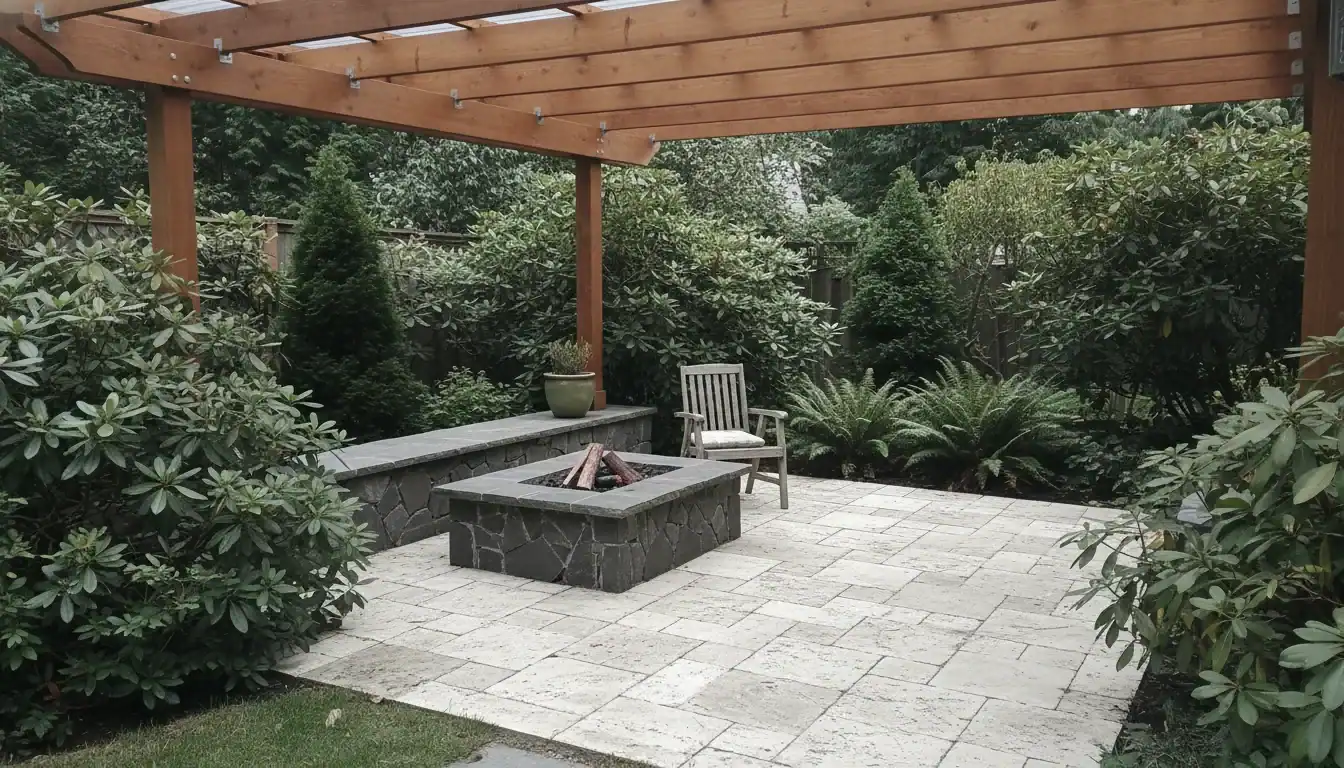
Nothing looks more at home in a Pacific Northwest backyard than a custom stone fire pit. Using locally sourced basalt, river rock, or stacked flagstone ties the fire feature directly into the surrounding landscape design in a way that manufactured inserts simply cannot replicate. I’ve built these as part of larger paver patio and garden design projects across Tacoma and Gig Harbor, and they consistently become the most-used feature in the entire outdoor space. They age beautifully too, developing that weathered PNW character over time.
A family in their early 40s from the Proctor District had a generous backyard but a tight $4,500 fire feature budget in 2022. We built them a custom stacked-stone fire pit integrated directly into a new paver patio seating area. Their neighbors asked for the same setup within six months.
Smokeless Fire Bowls for Smaller Patio Footprints
Not every Tacoma backyard has room for a built-in fire feature, and that is completely fine. Modern smokeless fire bowls deliver real flame and real warmth on a concrete patio or even a small custom paver patio without requiring construction, gas lines, or permits. They are a genuinely smart option for University Place and Fircrest homeowners working with tighter outdoor spaces. Position one on a heat-safe patio surface, add a few comfortable chairs, and your cold-weather outdoor living problem is largely solved.
4. Use These Patio Design Ideas for Tacoma Outdoor Kitchens
Appliances That Get Year-Round Use in Tacoma
Outdoor kitchens in Tacoma get genuine year-round use, especially when paired with a covered patio structure. The appliances that earn their keep are a built-in gas grill, a weatherproof refrigerator, and a side burner for versatility. I’d skip the pizza oven on a tight budget and prioritize the grill and fridge first. According to the NAR, outdoor kitchens deliver a 100% cost recovery at resale, making them one of the smartest additions to any Tacoma outdoor living space.
Countertop Materials That Resist Moisture and Temperature Swings
Your countertop choice matters more in the Pacific Northwest than almost anywhere else, because moisture, mold, and temperature swings are a constant reality from October through April. Porcelain tile and concrete countertops are my top recommendations for Tacoma outdoor kitchens. Both handle freeze-thaw cycles without cracking and resist the moisture absorption that destroys less suitable materials over time. Granite is also a solid performer but requires annual sealing in our rainy climate to stay looking sharp.
A software engineer in his mid-30s from the Ruston area went all-in on a $22,000 outdoor kitchen build in 2024. He originally specified quartz countertops based on what he had indoors. We steered him toward porcelain tile instead, and after his first Tacoma winter, he was genuinely grateful for the advice.
How to Position Your Outdoor Kitchen for Wind and Rain Protection
Positioning is one of the most overlooked parts of outdoor kitchen planning, and getting it wrong is an expensive mistake. In Tacoma, prevailing winds typically come from the southwest, so orienting your cooking surface away from that direction keeps flames stable and smoke out of your face. I always recommend placing the outdoor kitchen directly against or adjacent to the home under a covered patio structure for maximum weather protection. Good site planning at the start of a construction project eliminates costly overruns later.
5. Plant Native PNW Species Around Your Patio to Reduce Maintenance
Ground Covers and Ferns That Thrive Along Patio Edges
The edges of a patio are where a landscape design either looks finished or forgotten. Native ground covers and ferns solve that problem beautifully while requiring almost no intervention once established. My go-to choices along patio edges in Tacoma’s planting zones include sword fern, creeping mahonia, and wild ginger. These plants handle our rainy climate naturally, suppress weeds without chemicals, and stay green year-round, which matters a lot when you are looking at your outdoor space from inside during a grey November.
Flowering Shrubs That Add Color Without Constant Upkeep
Native flowering shrubs give your patio surroundings seasonal color without demanding the kind of attention that exotic ornamentals require. In western Washington’s planting zones, I consistently recommend these low-maintenance performers for patio borders:
- Red-flowering currant blooms brilliantly in early spring and attracts hummingbirds
- Salal produces white flowers in spring followed by dark berries that wildlife love
- Nootka rose delivers fragrant pink blooms in early summer and provides excellent structure
- Pacific ninebark offers cream-colored flower clusters and striking foliage through fall
A couple in their 60s from Gig Harbor hired us to redesign the planting beds surrounding their existing concrete patio. Their only requirement was zero weekend maintenance. We planted entirely native flowering shrubs, and two seasons later their landscape design looked better than anything on the street.
How to Use Evergreens for Privacy and Wind Buffering
Evergreens are one of the most practical tools in any Pacific Northwest patio design. Strategically placed, they block prevailing southwest winds, screen neighboring sightlines, and maintain their structure year-round unlike deciduous alternatives. I favor Western red cedar, Oregon grape, and shore pine for privacy plantings around outdoor living spaces in Tacoma and Puyallup. According to the City of Bothell’s official stormwater resources, native plants also improve soil absorption during heavy rainfall, which directly supports better drainage around your patio and helps with stormwater management on your property.
6. Design Multi-Zone Patios to Get More Out of Your Outdoor Space
Separating Dining, Lounging, and Fire Zones on One Patio
The biggest mistake I see on Tacoma patios is treating the entire space as one undifferentiated slab. When you separate your outdoor space into distinct zones, dining, lounging, and fire gathering, the whole yard starts functioning like an outdoor living room with real purpose. You don’t need a massive lot to pull this off. Even a modest patio can be zoned effectively using different paver patio patterns, changes in outdoor furniture arrangement, potted plants, or low-profile garden beds as natural dividers between areas.
Using Elevation Changes and Tiered Levels in Sloped Tacoma Yards
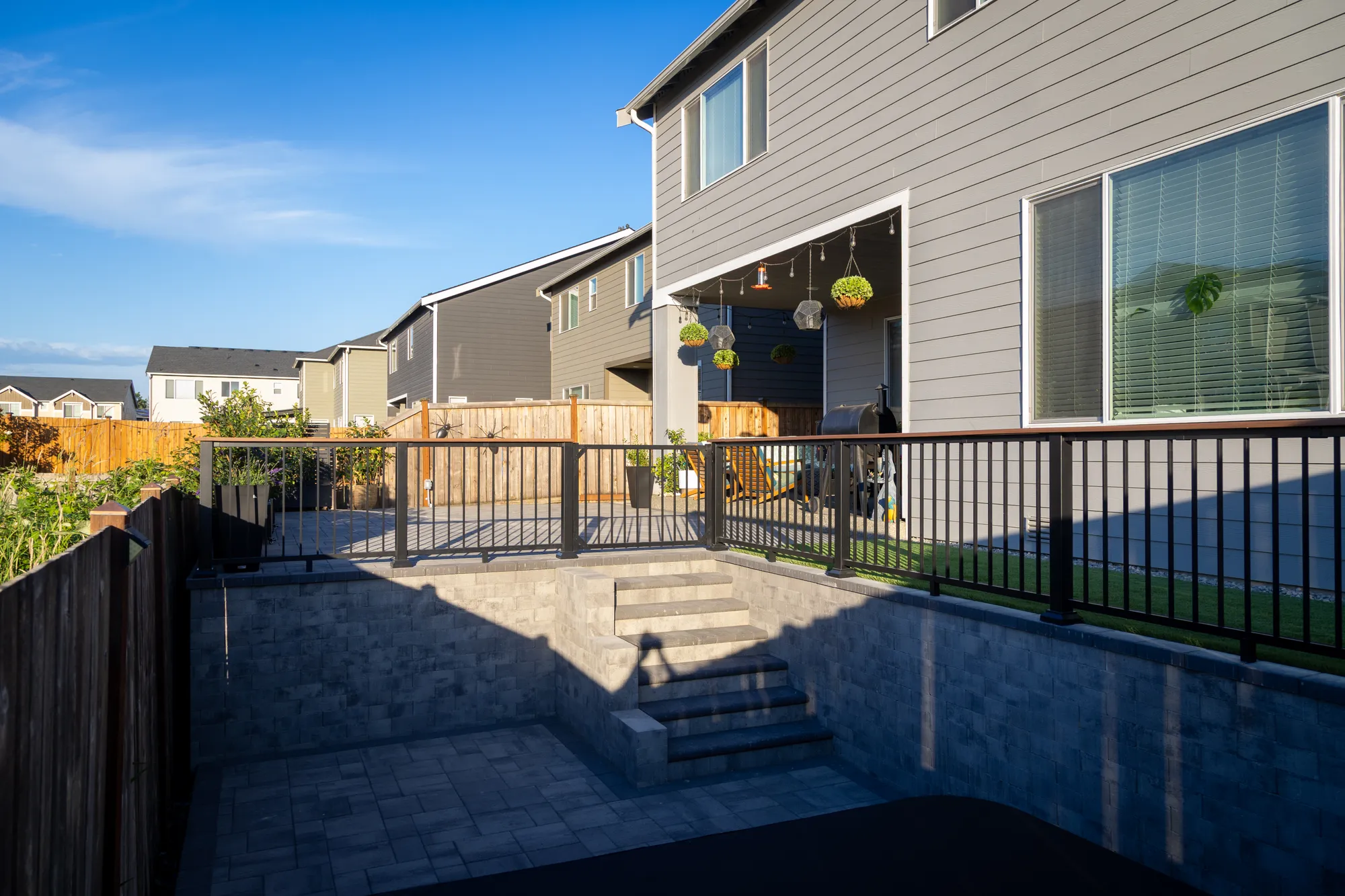
Many Tacoma and Gig Harbor properties sit on naturally sloped terrain, and that is actually an advantage in patio design when handled correctly. Tiered patios create distinct outdoor zones at different elevations, which solves the grade problem while adding genuine visual interest to the landscape design. I’ve built multi-level paver patios and concrete slab terraces across Pierce County where the slope initially felt like a problem and ended up becoming the best feature of the finished yard.
A physician in her early 50s from Fox Island had a backyard that dropped nearly four feet from the house to the rear property line. Rather than flattening it, we designed a two-tiered custom paver patio with a dining zone at the upper level and a fire feature zone below. She called it the best investment she had made in the home.
Hardscape Pathways That Connect Patio Zones to the Rest of the Yard
A patio that sits disconnected from the rest of your yard always feels like an afterthought. Hardscape pathways using concrete pavers, natural stone pavers, or brick pavers physically tie your outdoor zones together and make the entire property feel intentional. According to the NAR, 64% of homeowners want multi-functional outdoor spaces, and pathways are what make multi-zone layouts actually work day to day. I treat pathway design as seriously as the patio itself because the connection points are what the eye follows first.
7. Choose Outdoor Furniture That Survives Tacoma’s Weather
Teak and Powder-Coated Aluminum Outlast Other Materials Here
Tacoma gets around 40 inches of rainfall annually across roughly 150 wet days, and most outdoor furniture simply was not built for that reality. Teak’s natural oil content makes it inherently moisture-resistant without constant sealing, and powder-coated aluminum will not rust regardless of how many soggy winters it sits through. I steer every client toward one of these two materials first. Anything else tends to look rough within two Pacific Northwest seasons.
Cushion Fabrics That Dry Fast and Resist Mildew
Standard polyester cushions are a poor match for Tacoma’s outdoor living spaces because they absorb moisture and rarely get enough dry sun to recover fully between rain events. Solution-dyed acrylic fabrics like Sunbrella are the right call here. They dry fast, resist mildew, and hold their color through years of PNW weather without looking washed out. Pair them with quick-dry foam cores and your cushions stay genuinely comfortable rather than perpetually damp.
A landscape contractor from Lakewood in his late 30s furnished his newly completed paver patio with standard big-box cushions to save money in 2023. By the following spring, every cushion showed visible mildew. He replaced the entire set with solution-dyed acrylic and has not had a problem since.
Outdoor Heaters and Lighting That Make the Space Usable After Dark
A beautiful patio that gets abandoned at 6pm because it is cold and dark is a wasted investment. Infrared electric heaters mounted under a covered patio structure deliver efficient warmth without the wind vulnerability of freestanding propane units. For lighting, low-voltage LED string lights and pathway lighting along your patio pavers extend usability well into the evening. The U.S. outdoor furniture and kitchen market hit $8.77 billion in 2024, driven largely by homeowners building genuinely functional all-weather outdoor spaces exactly like this.
8. Plan Your Patio Budget Before You Talk to a Contractor
What a Patio Realistically Costs in the Tacoma Area
Getting a realistic number in your head before calling a contractor saves everyone time and prevents the sticker shock that derails good projects. Based on current Angi data, the average patio installation in the Seattle-Tacoma region costs around $4,782, with most homeowners spending between $2,532 and $7,213 depending on size and material. Construction labor here runs 15% to 25% above the national average, so Tacoma budgets should always account for that regional premium from the start.
Where Homeowners Overspend and Where It Pays to Invest More
After 20+ years and 500-plus construction projects across Pierce County, I have a clear picture of where patio budgets go wrong. Homeowners consistently overspend on decorative features early in the project and then run short on the structural work that actually makes a patio last. Invest heavily in your base preparation, drainage, and materials first. Decorative elements like potted plants, outdoor furniture, and lighting can be added gradually, but a poorly built foundation under your concrete pavers or natural stone is expensive to fix later.
Two neighbors in University Place both built patios in the same year with identical budgets. One prioritized a deep compacted gravel base and proper drainage. The other spent more on stamped concrete patterns. Three winters later, only one patio still looked the way it did on installation day.
Permits and Site Prep Costs Tacoma Homeowners Often Overlook
Permit and site prep costs are the two line items that consistently surprise homeowners who have never been through a patio construction project before. Pierce County requires a building permit for any patio cover attached to the home, and grading or leveling a sloped lot can add $500 to $5,000 before a single paver is placed. I always tell clients to request a full site planning assessment before finalizing any budget, because stormwater management requirements and drain water solutions on your specific property can meaningfully shift the total project cost.
Table: Tacoma Patio Project Budget Estimator
| Project Type | Estimated Cost Range | Typical ROI | Permit Required in Pierce County |
| Basic Concrete Slab Patio | $1,600 to $4,200 | 46% | Rarely |
| Paver Patio (Concrete or Brick) | $2,400 to $7,000 | 50 to 70% | Sometimes |
| Natural Stone Patio | $5,000 to $15,000 | 50 to 80% | Sometimes |
| Attached Patio Cover or Pergola | $6,000 to $50,000 | 50 to 100% | Yes |
| Outdoor Kitchen Addition | $13,000 to $30,000+ | 100% | Yes |
| Custom Fire Pit (Built-In) | $3,000 to $10,000 | 50 to 80% | Varies |
| Full Multi-Zone Patio Design | $15,000 to $40,000+ | 60 to 80% | Yes |
How Father Nature Landscapes Builds Patios Tacoma Homeowners Love
Our Design-Build Process From First Consultation to Final Walkthrough
We handle every phase of your patio project under one trusted team, from landscape design through installation and finishing. Our process eliminates the coordination headaches that come from hiring separate designers and contractors.
Let me break it down for you:
- Free Consultation and site assessment at your Tacoma, Gig Harbor, or Puyallup property
- Conceptual landscape design so you see the finished result before construction begins
- Professional installation by our uniformed, background-checked crews
- Final walkthrough to confirm every detail meets your expectations
What 20+ Years in Tacoma Taught Us About Outdoor Construction
Since 2006, we havecompleted 500-plus projects across Pierce County, and that experience shows in every decision we make on your behalf. We know which materials hold up through Tacoma’s rainy climate, which drainage solutions prevent costly problems down the road, and which patio design ideas actually get used versus which ones just look good in photos. That local knowledge is genuinely difficult to replicate.
Schedule Your Free Patio Design Consultation With Our Team
Your beautiful, stress-free outdoor space is just a conversation away. We serve Tacoma, Gig Harbor, Puyallup, and University Place with the same professional standards that earned us 100-plus five-star reviews and a BBB A+ rating. Call us at (253) 761-6437 or simplybook online in 2 minutes to schedule your free consultation with our team today.
Frequently Asked Questions
1. What types of patio pavers work best in Tacoma, Washington?
Concrete pavers, natural stone pavers, and brick pavers all perform well in Tacoma’s wet climate when installed over a properly compacted gravel base with good drainage. I generally recommend concrete pavers for budget-conscious projects and natural stone for homeowners prioritizing long-term aesthetics.
2. Do I need a patio cover in the Pacific Northwest to use my patio year-round?
A patio cover is not strictly required, but it is the single most impactful addition you can make to your Tacoma outdoor space. Without one, you are realistically limited to about three months of comfortable outdoor use annually.
3. How do natural stone patios hold up around hot tubs and spa surrounds?
Natural stone patios are an excellent choice around hot tubs and spa surrounds because they handle moisture, heat exposure, and temperature swings without warping or deteriorating. Seal the stone annually and ensure proper drainage underneath to maximize longevity.
4. Can I incorporate water features into an existing patio design in Tacoma?
Absolutely, and I encourage it. Water features like fountains and small ponds add the calming sensory element that makes a Tacoma outdoor space feel like a genuine retreat rather than just a paved surface.
5. What are the best low-maintenance surfaces for a Tacoma patio?
Low-maintenance surfaces I recommend most often include concrete pavers, porcelain tile, and composite decking. These materials resist moisture, require minimal sealing, and stay looking sharp through Tacoma’s rainy seasons without demanding significant upkeep from you.
6. Is drought tolerant landscaping relevant in Tacoma given how much it rains here?
It is more relevant than most homeowners expect. Tacoma’s dry summers can stress plants that are not properly selected for our seasonal swings, anddrought tolerant landscaping around your patio edges significantly reduces irrigation needs and maintenance time during July and August.
7. Can I add a swimming pool deck or pool landscaping alongside my new patio design?
Yes, and combining a swimming pool deck with your patio design under one project scope is actually more cost-efficient than phasing them separately. Pool landscaping integrated with your patio creates a cohesive outdoor living space rather than two disconnected areas.
8. How will I see what my patio will look like before construction starts?
Before any ground is broken, we walk you through a conceptual landscape design: a scaled, buildable plan that shows the materials, the layout, and how the finished patio sits in your yard. Seeing the plan up front consistently leads to better decisions and fewer changes mid-project.
9. What should I look for in a workmanship warranty for a patio project in Tacoma?
A solid workmanship warranty should cover structural issues with your patio base, paver installation, and any built-in features for a minimum of one to two years post-completion. Always get warranty terms in writing before signing any contract with a Tacoma construction contractor.
10. Can a Japanese maple work well as a focal point near a new patio in Tacoma?
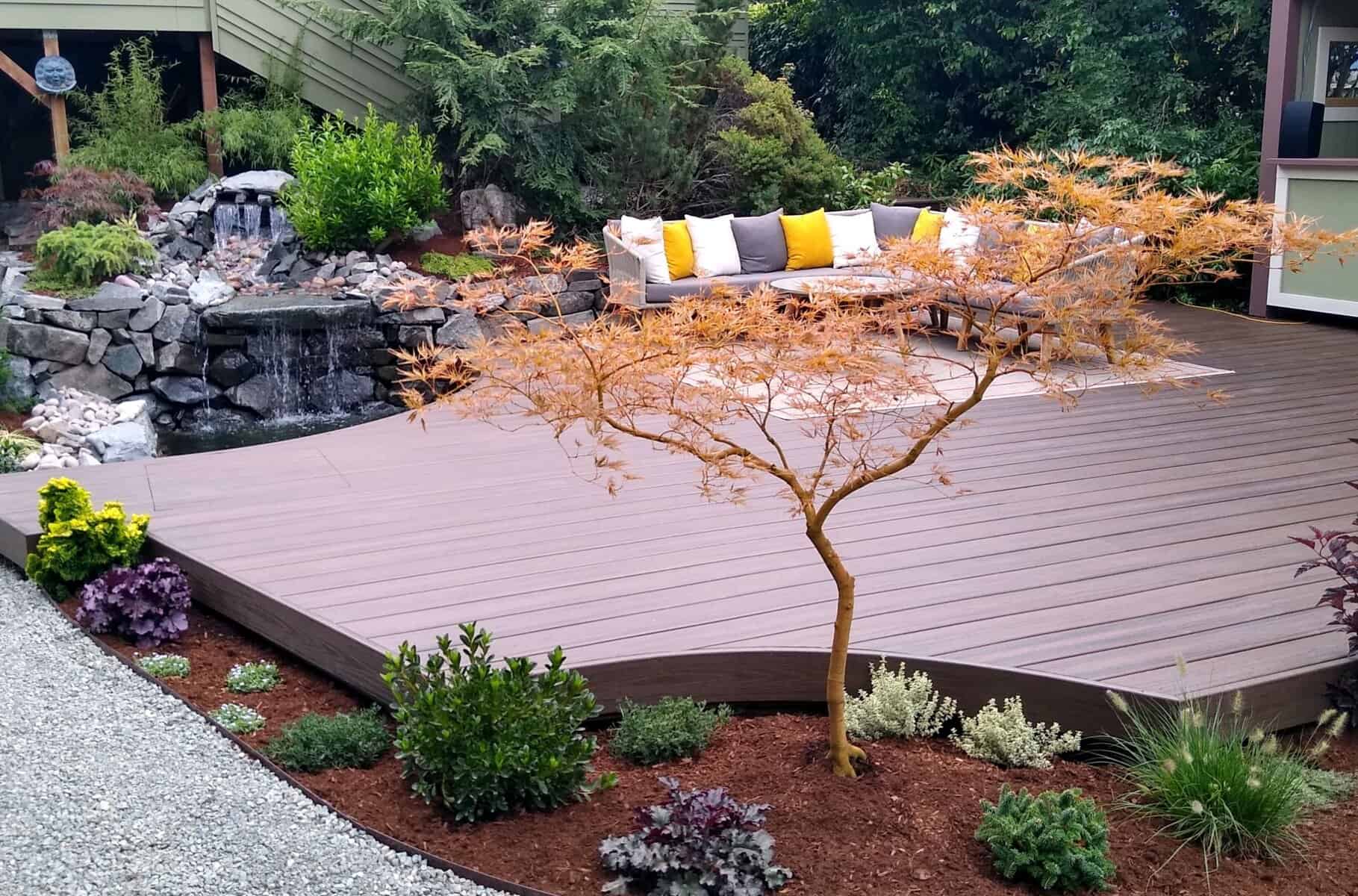
A Japanese maple is one of my favorite recommendations for patio-adjacent planting in Tacoma because the foliage color, scale, and structure complement hardscape beautifully across all four seasons. Choose a variety suited to our planting zones and position it where afternoon light catches the leaves.
Conclusion
Tacoma patios that actually get used year-round do not happen by accident. They come from smart material choices, proper site planning, the right cover, and a team that understands what our Pacific Northwest climate demands. After 20+ years and 500-plus projects across Tacoma, Gig Harbor, and Puyallup, we have seen what works and what gets regretted.
If you are ready to stop looking at wasted outdoor space and start enjoying it, let’s build something worth coming outside for.Book a Free Consultation today.