The variable weather of Washington makes water management a real concern for gardeners. Newer smart drip systems can help reduce water waste. They can also lower your water bills. Gone are the days of setting a static watering schedule and hoping for the best. With modern drip irrigation systems and a smart controller, you can achieve precision water management practices.
These systems use soil moisture sensors and weather data to make real-time adjustments, delivering just the right amount of water to the plant’s roots. This water-smart solution is a modern approach to water conservation that saves you money while promoting healthier plants.
Table of Contents
- Life+Land Lessons
- Stop Guessing and Start Saving Water
- Smart Drip System Technology
- The Parts You Need for Your Drip System
- Setting Up Your Smart Drip System
- Mistakes to Avoid When Using a Drip System
- How to Keep Your System Running Smoothly All Year
- Financial Benefits of Smart Irrigation
- Best Emitters for Specific Plants
- Frequently Asked Questions
- Conclusion
Life+Land Lessons
- Smart irrigation reduces water waste and lowers bills.
- Smart controllers use weather data and soil moisture sensors to optimize watering.
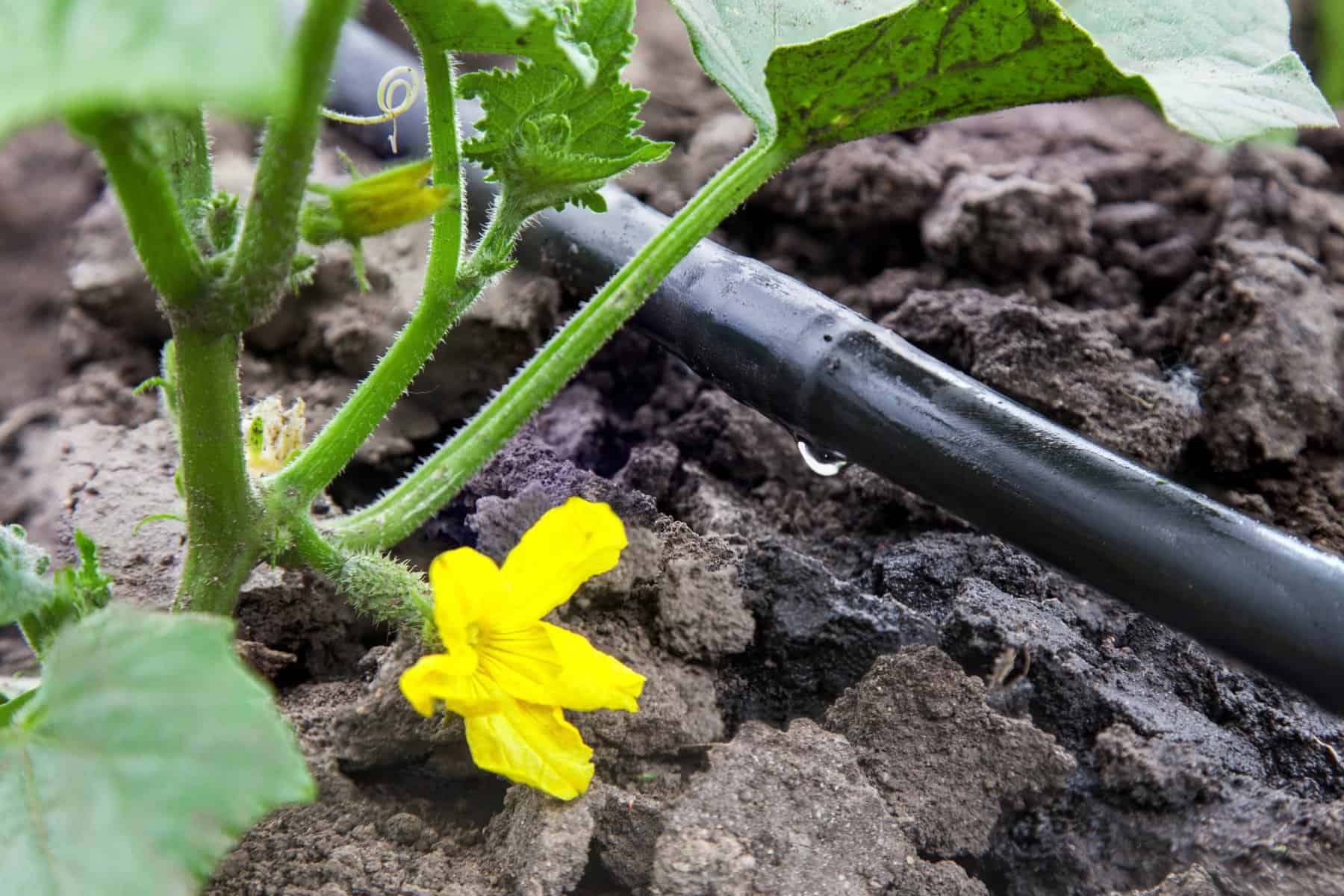
- Drip irrigation systems deliver water directly to the plant’s root zone.
- Selecting the right emitters for different plant types is important.
- A proper system layout prevents water runoff.
- Regular maintenance, like cleaning filters, is important for efficiency.
- Check for local cash incentives or rebates for smart irrigation.
- Burying emitters is a common mistake that can cause clogs.
- A smart app allows for remote control of your watering system.
Stop Guessing and Start Saving Water
Washington’s climate ranges from the wet coast to the drier inland regions. Using an unchanging irrigation system can waste a lot of water. Using a fixed watering schedule often causes overwatering in spring.
It also causes under-watering during hot, dry summers. Smart technology helps you save money and promotes healthier plants by providing precise, targeted watering.
Cost of Overhead Watering on Your Wallet
Traditional sprinkler systems spray water everywhere without control. A lot of that water evaporates before it even reaches the root zone. This not only increases your water bills, but also encourages shallow root growth in plants.
Over-saturation from misaligned sprinkler heads can also cause water runoff and plant disease. Switching to an efficient drip irrigation system helps manage water better. It reduces these problems.
Adjust to Your Soil and Rainfall Patterns
Knowing your region’s local weather and soil characteristics is the first step toward smart water conservation. West of the Cascades, soils often have a higher clay content, which holds water longer, while eastern Washington soils may drain more quickly.
A smart irrigation controller uses real-time weather data and soil moisture levels. It changes your watering automatically. This prevents runoff and gives your plants the exact amount of water they need.
Table: Comparing Irrigation Systems
| Features | Traditional Sprinklers | Smart Drip Systems |
|---|---|---|
| Water Usage | Inefficient with high evaporation | Highly efficient with targeted delivery |
| Water Waste | Often high due to runoff and overspray | Minimal; water goes directly to the roots |
| Plant Health | Can lead to leaf diseases and shallow roots | Promotes deep root growth and healthier plants |
| Automation | Basic timers with fixed watering schedules | Smart controllers with weather data and soil moisture sensors |
| Irrigation Costs | Lower initial cost, but higher water bills | Higher initial cost, but significant long-term water savings |
Smart Drip System Technology
Sophisticated smart irrigation systems make automated watering simple. At the heart of a good smart irrigation controller is the ability to adapt. These advanced devices use a variety of inputs to make intelligent choices, ensuring your plants receive the right amount of water without any waste.
Connect Your Irrigation to Local Weather Forecasts
Many smart controllers have connectivity to local weather services or even an onsite weather station. The controller uses this weather data to adjust irrigation scheduling and react to changing conditions.
If rain is in the forecast, the system will delay the next watering session. The controller measures the temperature and humidity. It changes watering times to match evapotranspiration rates.
How Soil Moisture Sensors Prevent Overwatering
Attaching soil moisture sensors to your watering system adds another layer of precision. These small devices are placed in the plant’s root zone and measure soil moisture levels in real-time.
The sensor communicates with the controller, telling it to skip the watering schedule if the ground is already wet. This automated feature is one of the most effective ways to prevent water waste and water runoff.
Fine-Tuning Your Watering Schedule from a Phone App
Modern smart irrigation often includes a smart app that lets you manage your system remotely. Through the app, you can map watering zones, check soil moisture data, and make quick changes to your watering schedules from anywhere. It has an easy-to-use interface for controlling a smart irrigation controller and its features. This makes it a strong tool for better water management.
The Parts You Need for Your Drip System
Putting together a drip irrigation system is a straightforward process when you know the components. A central smart irrigation controller is the brain, but a successful setup depends on the right parts working together. It all begins at your main water source with a pressure regulator, followed by a filter to keep the system clean.
Emitters, Tubes, and Timers
Flexible tubing, often called drip tape, delivers water from the main line to your plants. Attached to the tubing are emitters, which release water directly into the root zone. There are different types of emitters for various needs. The system is managed by a smart controller or a standard irrigation controller, which automates the watering schedules.
Source Components Locally and Online
When looking for drip irrigation kits, it is a good practice to research options from reputable suppliers. Selecting quality parts will lead to a more reliable watering system and less maintenance down the line. Many local hardware stores and online sellers offer many parts. You can build a custom setup for your garden bed with items like master valves and individual emitters.
Match Emitter Flow Rates to Your Plant Types
Different plant types have different water needs. A thirsty vegetable garden will require a higher flow rate compared to drought-tolerant shrubs. Emitters come in various flow rates, typically measured in gallons per hour. Choosing the right emitters for each plant is a simple way to achieve precise water management practices and minimize water waste.
Setting Up Your Smart Drip System
Installing a smart irrigation system can seem intimidating, but breaking it down into simple actions makes it easy. The goal is to create a reliable watering system that provides the right amount of water to each plant. You’ll be able to precisely target the root zone for each plant while minimizing water waste.
Plan Your Garden Layout
Begin by drawing a simple map of your garden bed. Mark the locations of all your plant types, grouping those with similar water needs together. This will help you figure out the best places to run the drip irrigation tubing and where to put emitters. The layout you create is the foundation for an efficient irrigation scheduling plan.
Assembling the System Correctly
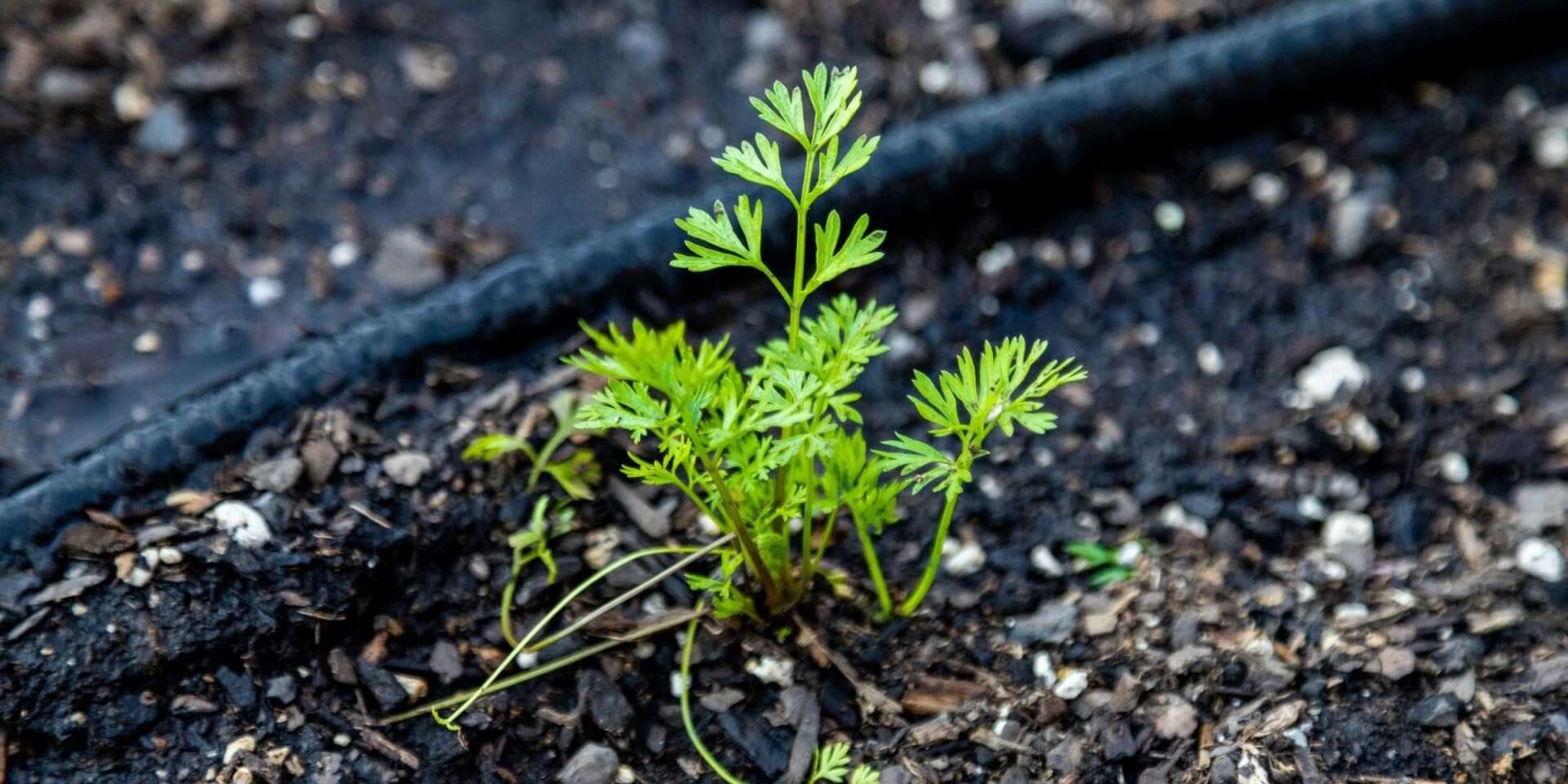
After planning, assemble the main line, a larger tube that transports water from the source to different parts of your garden. Use connectors and fittings to branch off the main line, running smaller drip tape to your plant groups. Use a punch tool to create small holes in the tubing and insert your emitters. Lastly, close off the ends of all tubing with end caps.
Calibrating the Smart Controller
Once the physical drip irrigation system is in place, it’s time to set up the smart controller. Input the general watering schedules for each zone into the app. Then, link any soil moisture sensors or weather data feeds. The controller uses these inputs to adjust your irrigation schedule in real time. It saves water automatically and lowers your water bills.
Mistakes to Avoid When Using a Drip System
Many gardeners assume that once a drip irrigation system is installed, their work is done. An automated watering system can be a huge time-saver, but neglecting it can lead to problems. The system can be sabotaged by common mistakes, causing plant stress and water waste. Taking a proactive approach to maintenance will preserve your investment and keep your garden healthy.
You Should Never Bury Your Emitters
It’s tempting to hide emitters for a cleaner look, but burying them is a common error. Emitters are prone to clogging from dirt and root growth. Covering them makes it difficult to see if they’re working correctly.
Keep emitters visible and inspect them regularly to confirm they are delivering water to the plant’s root zone. This allows you to confirm that your irrigation scheduling is working as intended.
Don’t Ignore Your System After Installation
Simply installing a drip irrigation system is only half the battle. If you do not check regularly, small leaks and clogs can go unnoticed. This reduces efficiency and raises irrigation costs. A yearly water audit or simple walk-through can find irrigation controller problems or pressure issues. A small amount of attention can prevent a large amount of water waste.
Adjust Your Watering Schedule for Seasonal Changes
A static watering schedule does not work well in Washington’s four distinct seasons. Smart irrigation controllers use weather data. They adjust the watering automatically. Even with this system, you should still check manually. Adjusting watering duration and frequency in the spring and fall helps save water and energy savings performance contracts.
How to Keep Your System Running Smoothly All Year
A well-maintained drip irrigation system is a reliable partner in water conservation. Even the most advanced smart irrigation systems need a little attention to stay efficient. Performing a few simple maintenance tasks can prevent costly repairs and water waste. A little proactive effort will protect your plants and your investment.
Flush Your Lines and Clean Filters
Your drip irrigation system’s filter can get clogged with sediment and debris over time. Cleaning it is a simple matter of unscrewing the filter housing and rinsing it out.
Also, flushing your lines occasionally will stop mineral deposits from building up inside the drip tape. This keeps the nozzle system and emitters flowing freely, ensuring every plant gets the water it needs.
Prepare Your Drip System for Washington’s Winters
Washington winters can be cold, and water left in the lines of your drip irrigation system can freeze and cause damage. Before the first hard frost, drain all the water from your system. Close the master valves, disconnect the main lines, and let them air out. A bit of preparation will protect your system, helping it last for many seasons.
What to Do When a Line Gets Clogged or Damaged
Even with good maintenance, problems can occur. A clogged emitter will stop water flow to a plant’s roots, causing stress. Keep a supply of spare emitters, couplers, and plugs to make simple repairs. If you notice a line isn’t flowing correctly, replace the clogged emitter or repair the damaged drip tape. A quick fix will prevent a small problem from causing water waste and damaging plants.
Financial Benefits of Smart Irrigation
As reported by the EPA’s WaterSense program, switching to a smart irrigation system is one of the most effective sustainable practices for lowering your household expenses. It might seem like an initial investment, but the long-term savings on your water bills can be substantial.
Lower Your Water Bill with Precision Watering
Old sprinkler systems are inefficient, and they often cause water waste and water runoff. Using a smart controller with weather data and soil moisture sensors lets you achieve precision watering. The system only waters when necessary and for the right duration, which directly reduces your water usage and lowers your monthly costs.
Potential Rebates and Incentives in Washington State
Many local water utilities in Washington give cash incentives for installing WaterSense-labeled smart controllers. These programs promote the use of water-saving technologies. Be sure to check with your local municipality, as programs can differ from city to city. Some may offer rebates or other benefits that can help offset the initial purchase cost of your new system.
Your Return on Investment for the System
The irrigation costs of a smart system can pay for themselves faster than you think. You can estimate your return on investment by comparing your previous water usage with the savings achieved after installation. Consider the reduction in your water bills and any available rebates. Some case studies have shown that smart irrigation systems can pay for themselves in just a few seasons.
Best Emitters for Specific Plants
Not all plants need the same amount of water, so a one-size-fits-all approach to drip irrigation is not always the best solution. Select emitters that deliver the right amount of water to each plant’s root zone. Matching emitters to your specific plant types is one of the easiest ways to save water and improve plant health.
Needs of Drought-Tolerant Plants vs. High-Moisture Shrubs
Low-flow emitters are ideal for drought-tolerant plants like lavender and rosemary, which thrive with less moisture. High-flow emitters or multiple emitters work better for plants that like a lot of moisture. Examples include ferns and hydrangeas. Using the right emitter flow rates ensures you’re not causing water waste and that each plant receives what it needs.
How to Water Your Vegetable Garden with Drip Irrigation
Vegetable gardens are a perfect place for drip irrigation systems. Placing emitters near the base of each plant delivers water directly to the roots without wetting the leaves, which can reduce disease. Consistent and measured watering from drip tape can increase your crop yield. Automated scheduling ensures vegetables get water at the right time, even if you are away.
Different Emitter Types in Mixed Plant Beds
A diverse garden bed may contain a mix of plants with varying water needs. This is where a customizable drip irrigation system really shines. You can use different emitters for each plant, or even different zones with their own irrigation scheduling. A smart irrigation controller manages this level of control. It provides effective water management for any garden.
Table: Suggested Emitter Flow Rates for Common Plants
| Plant Type | Emitter Flow Rate | Examples |
|---|---|---|
| Drought-Tolerant | 0.5 GPH | Lavender, Sedum, Coneflower |
| Moderate Water Use | 1.0 GPH | Rhododendron, Azalea, most shrubs |
| High Water Use | 2.0+ GPH | Hydrangea, Ferns, many annuals |
| Vegetables | 0.5-1.0 GPH | Tomatoes, Lettuce, Peppers |
Frequently Asked Questions
1. Do I need a special permit to install a smart irrigation system?
Typically, you do not need a permit for a drip irrigation system. Always check with your local water provider or city for specific regulations on landscape irrigation.
2. What is a WaterSense-labeled smart controller?
The EPA has certified a WaterSense-labeled smart controller. These weather-based controllers are proven to be at least 20 percent more water-efficient than conventional models.
3. Can I use a remote control to manage my system?
Yes, many weather-based controllers and soil moisture-based controllers have a smart app that lets you manage your system remotely from your phone. You can easily adjust your watering schedule from anywhere.
4. What is the benefit of a flow sensor?
A flow sensor detects leaks or broken lines in your watering system by measuring water flow. It can send an alert to your smart controller or app to prevent water waste.
5. How do weather-based irrigation controllers work?
These advanced irrigation controls use weather forecasts. They change watering based on rainfall, temperature, and humidity. This helps prevent watering when it’s not needed.
6. What is a soil moisture-based controller?
Soil moisture-based controllers use in-ground ET sensors to monitor the amount of water in the soil. It activates the watering system only when the soil moisture levels drop below a set threshold.
Conclusion
Moving beyond outdated sprinkler methods is a smart step. Using a modern smart irrigation controller to control your watering is a powerful way to save water. You can save money and help your plants thrive with a customized, automated system. Don’t wait to make your garden more efficient.
Book a Free Consultation to Create Your Personalized Water-Saving Plan.